AR Dissipator Defined
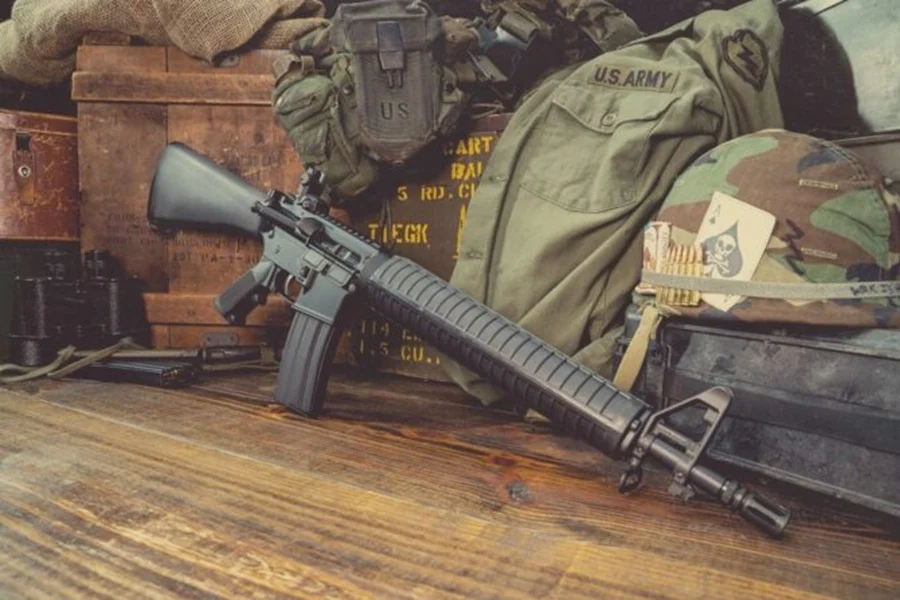
The AR-15 Dissipator is a specific configuration of the AR-15 rifle that combines key design features to meet particular needs, offering versatility and adaptability. In essence, the term “Dissipator” refers to a rifle with a shortened barrel (typically 16 inches) paired with a full-length rifle gas system and a standard rifle-length handguard. This configuration allows users to retain certain benefits of longer-barreled rifles while maintaining the compact size and ease of handling associated with carbines.
Key Features of the AR-15 Dissipator:
- Barrel Length: Typically 16 inches, making it compliant with legal rifle regulations in many jurisdictions without requiring additional tax stamps or special permissions.
- Rifle-Length Handguard: Provides an extended gripping surface for improved control and ergonomics. This also allows more room for accessories like lights, lasers, or bipods.
- Gas System Placement: While early Dissipators used genuine rifle-length gas systems, most modern ones use carbine or mid-length gas systems hidden under the handguard. This ensures reliable cycling while preserving the aesthetic appearance of a traditional full-size AR-15.
Why Is It Called “Dissipator”?
The term “Dissipator” stems from the idea that this setup helps dissipate heat more effectively during prolonged firing sessions. The full-length handguard protects the shooter’s hands from excessive heat buildup on the barrel by increasing airflow and distributing warmth over a greater surface area.
Comparison Table: Standard Carbine vs. Dissipator
| Feature | Standard Carbine | AR Dissipator |
| Barrel Length | 14.5–16 inches | 16 inches |
| Handguard Length | Mid-length or shorter | Rifle-length |
| Gas System | Carbine or mid-length | Usually carbine hidden |
| Heat Management | Moderate | Excellent |
| Weight | Lighter | Slightly heavier |
Benefits of Its Design
- Enhanced Sight Radius: The extended length allows iron sights to be positioned farther apart, which improves accuracy by reducing sight misalignment errors.
- Better Heat Control: With longer handguards, heat dissipation is improved when compared to carbines with shorter guards.
- Improved Handling: Many shooters find rifles with full-length grips more comfortable for various shooting positions.
The AR-15 Dissipator stands out as a practical solution blending modern convenience with classic design elements. Its unique blend of features makes it suitable for both casual shooters seeking comfort and professionals needing enhanced performance in dynamic environments.
A Little History
The AR-15 dissipator traces its origins back to the mid-20th century, during a period of experimentation and innovation in firearm design. The term “dissipator” is derived from the intention behind its construction — to “dissipate” heat more effectively while maintaining certain functional characteristics of traditional rifle-length systems. To understand the significance of the dissipator, it’s essential to delve into its historical context within the development of AR-15-style rifles.
The Shift from Rifle-Length to Carbine-Length Systems
Originally, AR-style rifles were designed with a 20-inch barrel and a rifle-length gas system. These configurations provided excellent reliability and smooth operation due to their long dwell time (the time between when a bullet passes the gas port and leaves the barrel). However, as military forces began seeking more compact and maneuverable rifles for use in closer quarters or urban environments, shorter barrel lengths became increasingly desirable.
The rise of carbine-length barrels (typically 14.5–16 inches) introduced some challenges due to their shorter gas systems. Carbine-length systems often have harsher recoil and increased wear on components because gas pressure peaks more abruptly compared to rifle-length systems.
Development of the Dissipator
The AR-15 dissipator was developed as a solution that could leverage the best of both worlds:
1. Shorter Barrel: It retained a 16-inch barrel (or similar), providing greater maneuverability compared to traditional rifle-length models.
2. Rifle-Length Handguard and Front Sight Post: By keeping the longer handguard typically seen on rifles with 20-inch barrels, dissipators allowed for an extended sight radius (the distance between front and rear sights). This feature improved aiming precision for shooters using iron sights.
In essence, manufacturers created this hybrid by attaching a rifle-length handguard system to a shorter barrel while utilizing either mid-length or carbine-length gas systems underneath. This combination aimed at maximizing usability across various shooting applications without sacrificing too much reliability or control.
Popularity Over Time
Dissipators gained popularity in certain niches due to their unique blend of features:
– Civilian Use: Many civilian shooters favored dissipators for sporting purposes like target shooting, where extended sight radius proved beneficial for accuracy without relying on optics.
– Law Enforcement & Tactical Users: Compact yet precise, these firearms filled roles requiring adaptability across different combat scenarios or close-quarters engagements.
Although advancements in optics technology and modernized handguards have made some original features less critical today, dissipators remain an interesting part of AR-platform evolution. They represent an innovative attempt at bridging capabilities between full-sized rifles and carbines during an era when modularity wasn’t as advanced as it is now.
Historical Legacy Today
Today’s enthusiasts often view classic AR dissipators as both functional tools and nostalgic tributes to earlier eras of firearm design. Their utility has persisted among niche communities, particularly those who appreciate iron-sight shooting or desire vintage-inspired aesthetics combined with modern performance enhancements.
By understanding their history, it’s easier to appreciate how innovations like these contributed significantly toward making today’s AR platform one of the most versatile firearm systems globally recognized by military personnel, law enforcement officers, sport shooters, and collectors alike.
Modern Dissipators
Modern AR-15 dissipators bridge the gap between classic designs and contemporary firearm technology, combining the best of both worlds. These updated variations maintain the core concept of the dissipator—maximizing sight radius with a full-length rifle gas system on a carbine-length barrel—but adapt to modern manufacturing techniques, materials, and user preferences.
Key Features of Modern Dissipators
- Barrel Length: Most modern dissipators use 16-inch barrels to comply with U.S. legal requirements for civilian rifles without requiring special tax stamps or registration. This length balances maneuverability and ballistic performance.
- Full-Length Handguard: A hallmark feature of dissipators is their extended handguard or rail system, which provides more space for accessory placement, such as grips, lights, or lasers. This longer handguard also improves shooter ergonomics by offering more grip options for enhanced control.
- Low-Profile Gas Blocks: Instead of the traditional fixed front sight gas block combination seen in older designs, modern dissipators often utilize an internal low-profile gas block hidden under the extended handguard. This ensures smoother cycling while maintaining durability.
- Adjustable Gas Systems: Some advanced dissipator builds incorporate adjustable gas systems to fine-tune cycling based on ammunition type or suppressor use. This adds versatility to the platform.
Innovations in Materials and Manufacturing
- Improved Barrel Alloys: Modern barrels are crafted using high-quality materials like chrome-moly vanadium steel or stainless steel for better longevity and resistance to wear.
- Enhanced Coatings: Many parts now feature advanced coatings such as nitriding or chrome lining on barrels for increased corrosion resistance and easier cleaning.
- Weight Reduction: To reduce weight without sacrificing strength, manufacturers use lightweight polymer furniture and skeletonized components in certain areas like buttstocks or handguards.
Practical Applications Today
- The long sight radius enhances accuracy when shooting iron sights.
- Lightweight construction makes it ideal for prolonged shooting sessions.
- Compact enough for maneuverability while still providing sufficient accuracy at close-to-mid ranges.
- Optimal attachment options (lights/lasers) make it practical for defensive scenarios.
- The unique appearance appeals to those looking to personalize their AR setup.
- Compatibility with a wide range of aftermarket accessories allows users to tailor their rifle precisely to their needs.
| Feature | Benefit |
| Full-length handguard | More space for accessories; improved grip options |
| 16-inch barrel | Legal compliance; balance between size & range |
| Low-profile gas block | Enhanced reliability; less bulk |
| Adjustable gas systems | Customizable cycling performance |
Modern AR-15 dissipator-style rifles remain relevant today due to these unique traits that combine classic functionality with cutting-edge enhancements. For many enthusiasts, they represent an excellent balance between tradition and innovation tailored toward diverse shooting needs.
How to Make a Dissipator Work
Making an AR-15 dissipator work effectively involves understanding its unique design and addressing potential functionality challenges. While the dissipator has distinct advantages, such as improved sight radius and handling, optimizing its performance requires attention to detail in assembly, parts selection, and maintenance.
Key Components of a Functional Dissipator
- Barrel length: Most dissipators use a 16-inch barrel paired with a rifle-length handguard. This setup mimics the appearance of an M16 while maintaining the shorter barrel of a carbine.
- Gas system tuning: The gas block is often positioned at a mid-length or carbine-length location to ensure proper cycling. Select a barrel with pre-drilled gas ports that match your intended configuration.
- The front sight base is typically mounted farther forward on the barrel for the extended sight radius. Ensure it is properly aligned to avoid accuracy issues.
- Use appropriately sized pins or clamps to secure the FSB in place.
- Choose lightweight yet durable handguards that fit over the longer rifle-length gas tube.
- Free-float handguards can enhance accuracy by eliminating pressure on the barrel caused by grip or bipod use.
- Opt for compatible buffer weights and springs to ensure reliable cycling and recoil management.
- Adjusting these components may be necessary if you encounter issues like short stroking or overgassing.
Assembly Tips for Building or Modifying a Dissipator
- Start with Quality Parts: Invest in reputable manufacturers for critical parts like barrels, gas blocks, and sights to reduce compatibility problems.
- Double-Check Gas Port Sizing: Improperly sized gas ports can cause malfunctions. Consult manufacturer specifications for guidance.
- Test Gas System Alignment: Misaligned gas blocks can restrict flow and affect cycling reliability.
- Secure All Attachments: Torque screws properly when attaching rail systems or sights to prevent loosening during use.
Troubleshooting Common Issues
- Under-Gassed Systems: If your rifle fails to cycle reliably, check for insufficient gas flow due to block misalignment or overly small ports.
- Over-Gassed Systems: Excessive gas flow can lead to harsh recoil and wear on internal components; consider installing an adjustable gas block as a remedy.
- Accuracy Problems: Reassess FSB alignment or inspect the free-float handguard installation if accuracy declines unexpectedly.
| Issue | Possible Cause | Solution |
| Failure to cycle | Misaligned/mismatched gas block | Realign block; ensure proper sizing |
| Harsh recoil | Over-gassing | Use heavier buffer or adjustable block |
| Reduced accuracy | Loose front sight base | Check alignment; tighten securely |
Maintenance Practices
- Regularly clean the barrel, chamber, and bolt carrier group after use.
- Inspect the gases system (gas tube and block) for carbon buildup that could impede performance.
- Periodically check screws on handguards and attachments for tightness.
By focusing on proper assembly techniques, troubleshooting potential issues early, and committing to regular upkeep, you can maximize your dissipator’s performance while enjoying its distinct features like enhanced handling and accuracy potential over standard configurations of AR-15 platforms.
How to Make a Dissipator Work
Successfully utilizing an AR-15 dissipator involves understanding its unique configuration and ensuring all components function effectively together. The dissipator design combines a rifle-length sight radius and gas system with a shorter barrel, which can sometimes lead to operational challenges. Proper assembly, tuning, and maintenance are necessary to ensure reliable performance. Below are key factors and steps to make your dissipator work efficiently.
Understand the Gas System Configuration
The primary challenge with many AR-15 dissipators stems from their gas system design. Most feature a carbine- or mid-length gas port but retain the rifle-length front sight base. This combination affects how the firearm cycles.
- Gas Port Placement: Ensure that the actual gas port aligns with your chosen barrel length (carbine or mid-length). Rifle-length gas systems on short barrels can cause insufficient pressure for proper cycling.
- Gas Block Selection: Choose an appropriate low-profile gas block under the full rifle-length handguard or ensure compatibility with pinned front sight bases.
Key Components for Reliable Function
- Barrel Selection: Opt for high-quality barrels drilled for mid-length or carbine gas systems when dealing with shorter barrels (usually 16 inches).
- Buffer Weight & Spring: Properly tune the buffer system based on your selected barrel length and ammunition type to prevent issues like over-gassing or short-stroking.
- Bolt Carrier Group (BCG): Use a mil-spec BCG for optimal reliability, as poorly made carriers might exacerbate cycling issues.
- Handguards: Use free-floating or drop-in handguards designed to accommodate rifle-length sight placement while maintaining structural integrity.
Troubleshooting Common Issues
| Issue | Cause | Solution |
| Failure to Cycle | Insufficient gas pressure | Check gas block alignment; adjust buffer weight if needed |
| Over-Gassing | Excessive pressure | Use heavier buffer or adjustable gas block |
| Poor Accuracy | Incorrect sight alignment | Re-zero sights; verify tight handguard installation |
Practical Tips for DIY Dissipator Builders
Building a custom AR-15 dissipator can be rewarding, but it requires attention to detail:
– Test Fit Components: Before final assembly, dry-fit parts to ensure compatibility and proper alignment of sights and handguards.
– Ammo Selection: Some builds may perform better with specific ammunition types due to variances in pressure levels; test multiple options during initial setup. – Routine Maintenance: Regular cleaning of key areas like the chamber, BCG, and gas tube ensures long-term functionality.
By selecting quality parts, carefully assembling components, and performing regular checks, you can achieve a reliable and effective AR-15 dissipator build suitable for various applications such as range shooting or hunting purposes.
Is the Dissipator Still Useful?
1. Enhanced Sight Radius for Iron Sight Users
- Many shooters appreciate the extended sight radius that the Dissipator configuration provides. By utilizing a full-length gas system with a 20-inch barrel sight setup on a shorter barrel (commonly 16 inches), iron sight alignment becomes more precise.
- This longer sight radius improves accuracy when shooting without optics, making it a favored choice for those who value traditional marksmanship techniques.
2. Improved Heat Dispersion
- The Dissipator design allows for better heat management during extended shooting sessions. The longer handguard covers more of the barrel, reducing direct exposure and preventing hotspots from forming too quickly.
- For shooters who engage in high-volume fire or prolonged training exercises, this feature can enhance comfort and usability.
3. Customizability
- The Dissipator layout offers flexibility for customization. Its full-length handguard provides ample space for mounting accessories such as:
- Lights
- Foregrips
- Sling attachments
- This makes it adaptable to various shooting styles or mission-specific needs, allowing users to tailor their setup.
4. Aesthetics with Functionality
- Some enthusiasts prefer the classic look of a full-length fixed front sight post combined with a shorter barrel profile. The Dissipator achieves this balance between retro styling and modern practicality.
- This timeless aesthetic is particularly appealing to collectors or those who appreciate military-inspired designs without compromising performance.
5. Suitable for Training and Hunting
- Due to its manageable weight distribution and ergonomic balance, the Dissipator works well for both training scenarios and hunting applications:
- Training: Its simplified iron-sight-focused setup helps beginner shooters build core skills in marksmanship.
- Hunting: The rifle’s shorter overall length makes it easier to maneuver through wooded areas while retaining superior accuracy.
Table: Key Features That Keep It Relevant
| Feature | Benefit | Ideal For |
| Extended Sight Radius | Improves iron-sight accuracy | Traditional marksmen |
| Better Heat Dispersion | Prevents overheating during long use | High-volume fire scenarios |
| Full-Length Handguard | Increased space for accessory mounting | Tactical setups |
| Compact Barrel Length | Easier handling in tight environments | Hunting or urban shooting |
Final Thoughts
The AR-15 Dissipator may not be as widespread as some modern configurations like mid-length gas systems or free-floating rails; however, its unique blend of features ensures it remains relevant in specific contexts. Whether you’re an iron sight enthusiast, someone seeking better heat management, or simply drawn to its aesthetic appeal, the Dissipator offers reliable functionality that stands the test of time.
Is the Dissipator Still Useful?
The AR-15 dissipator remains a practical and functional option for many firearm enthusiasts, even in today’s world of rapidly evolving rifle technology. While newer designs often dominate the spotlight, the dissipator has a distinct set of features that make it valuable for specific applications. Below, we’ll explore why this design remains relevant and the scenarios where it continues to shine.
Benefits of the Dissipator in Modern Applications
- Enhanced Sight Radius
The extended sight radius offered by the dissipator configuration allows for greater accuracy when using iron sights. This advantage is particularly beneficial for: - Beginners learning to shoot without relying on optics.
- Shooters who prefer or need to use iron sights as part of their training or recreation.
- Backup sighting systems where optics might fail.
- Reduced Recoil with a Rifle-Length Gas System
A rifle-length gas system on a 16-inch barrel offers smoother cycling compared to carbine-length systems. This translates into: - Softer recoil impulse, which improves control during rapid-fire shooting.
- Enhanced reliability due to reduced wear and tear on internal components.
- A more balanced feel when firing.
- Durability & Simplicity
The minimalist design inherent in most dissipators means fewer components that could potentially fail under adverse conditions. This makes it an attractive choice for long-term use or rugged environments.
Who Can Benefit Most from a Dissipator Design?
| User Type | Benefits of Dissipators |
| Practical Shooters | Increased accuracy with iron sights, better control during repeated shots |
| Budget Enthusiasts | A cost-effective solution with minimal reliance on expensive optics |
| Historical Shooters | Nostalgia-driven users who appreciate older designs while enjoying modern functionality |
Challenges in Modern Use
- Limited Availability: Fewer manufacturers offer true dissipators today, making them less accessible than other configurations.
- Weight Distribution: The addition of a full-length front sight post and extended handguard may slightly increase weight at the front end—for some shooters, this could lead to fatigue during prolonged use.
Current Trends Supporting Its Relevance
Interestingly, as retro builds and minimalist platforms gain popularity among AR-15 enthusiasts, there’s been renewed interest in discontinued designs like the dissipator. Many builders are drawn to its balance between old-school aesthetics and modern functionality.
For those seeking versatility without specializing in optic-heavy setups or hyper-modern configurations, the dissipator provides an excellent middle ground. It retains practicality while harkening back to classic rifle design principles.
By meeting niche needs—such as iron sight proficiency or softer recoil—this style continues to offer value within its specific context despite being overshadowed by newer trends in rifle development.