Where Does 9mm Luger Come From?
Origins and Purpose
- Development: The inception of the 9mm Luger was part of an effort to create a reliable and effective cartridge for military use. At this time, militaries across Europe were transitioning from slower, heavier revolver rounds to lighter, faster cartridges suitable for semi-automatic pistols.
- Adoption: Two years after its creation, in 1903, prototypes were tested by various military organizations. Its success led to its adoption by Germany’s military forces in 1904 for their P08 Luger pistol.
- Design Goals: The cartridge was intended to balance stopping power with manageable recoil.
Why “Luger”?
The term “Luger” is directly tied to Georg Luger’s name and his role in both designing the handgun (the P08) and creating its corresponding ammunition. This naming convention helped differentiate it from other calibers on the market at that time.
Technical Specifications
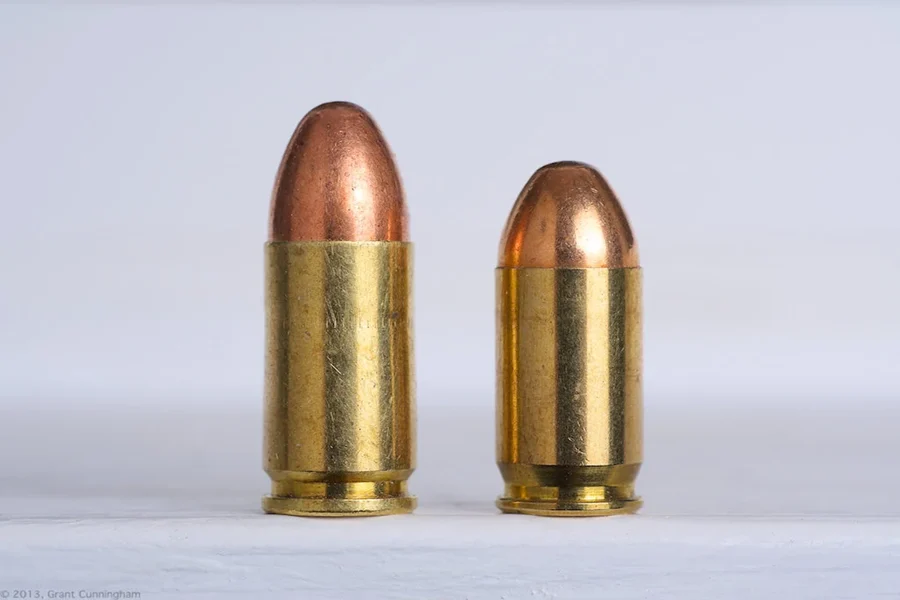
For better clarity on what defines this round technically: | Specification | Detail | |———————|——————————| | Bullet Diameter | 9. 01 mm | | Case Length | 19. 15 mm | | Overall Length | ~29.
These dimensions are what classify it as a “9x19mm” cartridge (indicating a bullet diameter of 9mm and a case length of 19mm).
Global Popularity
The widespread adoption of the round started with German forces during World War I and continued into World War II. Afterward: – NATO standardized it as its official sidearm ammunition post-WWII due to its performance.
Key Benefits
Here’s why the world continues to favor this round: 1.Versatility: Suitable for pistols and submachine guns alike. 2.Ease of Use: Moderate recoil makes it accessible even for beginner shooters. 3.Affordability: Large-scale production keeps costs relatively low compared to niche calibers. 4.Performance Balance: It strikes a middle ground between stopping power (compared to larger calibers) and capacity (more rounds per magazine than larger calibers allow).
Understanding where “9mm Luger” comes from adds context not only to its design but also why it’s remained relevant more than a century after its creation — making it one of history’s most iconic cartridges.
Ok, But What About the 9x19mm Parabellum?
Its origins trace back to the early 20th century, and its story is tightly interwoven with military history, firearm development, and global standardization.
The cartridge was designed by Austrian firearm designer Georg Luger in 1901.Si vis pacem, para bellum, meaning “If you want peace, prepare for war. ” This phrase was part of the slogan for Deutsche Waffen- und Munitionsfabriken (DWM), the German arms manufacturer that produced both Luger’s pistols and ammunition.
The design intention behind the 9x19mm cartridge was to create a reliable and effective round that could function well in semi-automatic firearms. Its compact size and sufficient power made it ideal for military sidearms, leading to widespread adoption shortly after its development.
Specifications
| Specification | Details |
| Bullet Diameter | 9.01 mm (0.355 inches) |
| Case Length | 19.15 mm (0.754 inches) |
| Overall Cartridge Length | Approximately 29.69 mm |
| Typical Bullet Weight | Ranges from 115 grains to 147 grains |
| Muzzle Velocity | Varies between ~950–1,400 fps |
Its balanced mix of moderate recoil, manageable size, and decent stopping power has led to its dominance in both civilian markets (for self-defense) and military applications.
Why “9×19”?
The designation “9×19” refers specifically to its measurements: a bullet diameter of approximately 9 mm paired with a case length of about 19 mm. This naming convention avoids confusion with other ammunition types that also use “9mm” as part of their name but differ substantially in dimensions or performance characteristics (e. g. , . 380 ACP or . 357 Magnum).
This systematic labeling ensures that shooters select compatible ammunition for their firearms while differentiating between rounds that may otherwise seem similar.
Global Popularity
One reason for the widespread adoption of this caliber is standardization among NATO forces during World War II and afterward into modern times. As NATO’s standardized handgun caliber since its inception in the mid-20th century, it became exceptionally common across allied nations’ military forces.
- Law enforcement use:Many police departments globally adopted handguns chambered in this caliber because it balances power with lower recoil.
- Civilian applications:The round is favored by sport shooters and those seeking personal defense weapons due to affordability, availability (globally manufactured), and variety.
Even today, manufacturers consistently produce an abundance of firearms chambered specifically for this ubiquitous cartridge.
Unique Characteristics
- Versatility: Suitable for pistols and submachine guns without modification.
- Variety: Ammunition exists across hollow-point styles suited better toward defensive scenarios versus full-metal-jacket varieties preferred during training sessions or competitions. 3. .
Talk to Me About 9x19mm Variants
The term 9x19mm encompasses a wide range of ammunition types, and understanding its variants can help shooters make informed decisions based on their specific needs. While all these rounds share the same dimensions, they vary in performance, application, and manufacturing specifications.
Standard Pressure vs. +P and +P+
- Standard Pressure Rounds: These are the traditional 9x19mm cartridges designed to meet factory specifications for velocity and pressure. They are suitable for most firearms chambered in 9x19mm.
- Example: Full Metal Jacket (FMJ) rounds commonly utilized for target shooting and training.
- +P Rounds (Overpressure): “+P” stands for overpressured ammunition, which is loaded to generate higher pressures than standard rounds. These offer increased velocity and energy, making them ideal for self-defense situations.
- Pros: Greater stopping power and improved terminal ballistics.
- Cons: Increased wear on firearms not rated for +P ammunition.
- +P+ Rounds: Similar to +P but with even higher pressure levels. These are intended primarily for law enforcement or military use due to their powerful performance.
- Note: Not all firearms can safely handle +P+ rounds; always consult your firearm’s manufacturer before use.
| Variant | Pressure Level | Use Case |
| Standard | Factory Specified | Target shooting, general use |
| +P | Higher than Standard | Personal defense, duty carry |
| +P+ | Extremely High | Law enforcement or specialized needs |
Jacket Types
The type of jacket refers to the material covering the bullet’s core, impacting how it behaves upon impact.
- Lead core fully encased in a harder metal (e. g. , copper).
- Commonly used for practice due to affordability.
- Minimal expansion upon impact.
- Designed with a hollow cavity at its tip to promote expansion upon hitting a target.
- Widely used in personal defense because it reduces the likelihood of overpenetration.
- Similar to FMJ but fully encased in metal with no exposed lead base.
- Often preferred at indoor ranges where lead exposure is a concern.
Weight Variants
Bullet weight in grains significantly affects accuracy, recoil, and terminal performance.
- Lighter bullet with higher velocity.
- Popular among casual shooters due to its availability and cost-effectiveness.
- Offers a balance between speed and energy transfer.
- Favored by many law enforcement agencies.
- Heavier bullet traveling at lower velocities.
- Designed for subsonic applications (e. g. , suppressors).
| Bullet Weight | Typical Application |
| 115-grain | Recreational shooting |
| 124-grain | Duty carry/self-defense |
| 147-grain | Suppressed firearms/subsonic use |
Specialty Loads
- Frangible Ammunition—Constructed from compressed materials like copper powder that disintegrate upon impact with hard surfaces. Ideal for close-quarter training as it reduces ricochet risks.
- Tracer Rounds—Bullets that emit visible light during flight, often used for training or signaling purposes on ranges or battlefields.
- Subsonic Ammunition—Engineered to stay below the speed of sound (~1,125 feet per second), minimizing noise when paired with suppressors.
Understanding these variations within the broader “9x19mm” label allows you to select an option tailored precisely to your purpose—whether it’s self-defense, competition shooting, or tactical operations—all while ensuring compatibility with your firearm specification limits.
Talk to Me About 9x19mm Variants
Over time, a variety of variants have emerged, each serving specific purposes and catering to different needs. This section explores these variants and their applications.
+P and +P+ Ammunition
One of the most significant variations of 9x19mm ammunition is +P and +P+ ammunition. These designations indicate that the cartridge is loaded to higher pressures than standard rounds, resulting in increased velocity and energy.
- Loaded to slightly higher pressure than standard rounds.
- Provides increased muzzle velocity, resulting in greater stopping power.
- Ideal for defensive use where higher energy transfer is desirable.
- Loaded to even higher pressures than +P ammunition.
- Typically used by law enforcement or specialized applications requiring maximum terminal performance.
While these variants offer increased performance, it’s important to verify whether your firearm can handle the extra pressure safely. Always refer to your firearm’s manufacturer recommendations before using +P or +P+ ammunition.
Subsonic Rounds
Subsonic 9x19mm ammunition is designed with a lower muzzle velocity that keeps it below the speed of sound (approximately 1,100 feet per second). These rounds are commonly used in conjunction with suppressors as they reduce noise significantly by eliminating the supersonic crack associated with standard rounds.
- Quieter operation when paired with suppressors.
- Often heavier bullets are used to maintain sufficient energy while staying subsonic.
Subsonic rounds are not only valued for suppressed firearms but also for their reduced recoil when compared to high-velocity rounds.
Frangible Ammunition
Frangible ammunition is another variation often seen in training environments or specialized use cases. These bullets are designed to break apart upon impact with hard surfaces, reducing ricochet risk.
- Safer for use on steel targets during training or shooting competitions.
- Useful in environments where overpenetration poses a safety concern (e. g. , indoor ranges).
Specialty Defense Rounds
- Hollow Points:Designed for controlled expansion upon impact, maximizing stopping power while minimizing overpenetration risks.
- Polymer-Tipped Bullets:Feature polymer tips that enhance expansion while maintaining aerodynamic efficiency.
- Bonded Bullets:Designed to retain weight during penetration through barriers like glass or clothing.
Training vs Duty Rounds
| Feature | Training Rounds | Duty/Defense Rounds |
| Purpose | Practice & range training | Self-defense & tactical use |
| Bullet Type | Full Metal Jacket (FMJ) | Hollow Point / Specialty Loads |
| Cost | Generally inexpensive | More expensive due to advanced technology |
| Performance | Reliable but non-expanding | Expands upon impact for greater stopping power |
Using appropriate ammunition for specific purposes ensures both safety and effectiveness.
Conclusion on Variants
The availability of various types of 9x19mm cartridge variants makes this caliber highly adaptable across multiple scenarios such as personal defense, target shooting, law enforcement duties, or military operations. Understanding the differences between these options allows you to make informed decisions about which type best suits your needs while ensuring compatibility with your firearm.
Talk to Me About 9x19mm Variants
When discussing the 9x19mm cartridge, it’s important to recognize that this versatile and widely-used round has inspired numerous variants over the years. While the base design remains consistent as a standard high-pressure 9mm cartridge designed for semi-automatic firearms, certain adaptations have been made to suit various applications ranging from competition shooting to law enforcement and military use.
Common Variants of 9x19mm
- What They Are: These rounds are loaded to higher pressure than standard 9x19mm ammunition, often labeled as “+P” or “+P+” on the packaging.
- Purpose: Designed for scenarios requiring increased velocity and stopping power, such as self-defense.
- Considerations: Not all firearms are rated for +P or +P+ rounds. Always check your firearm manufacturer’s specifications before using these loads.
- What They Are: These cartridges produce a muzzle velocity below the speed of sound (approximately 1,100 feet per second), reducing noise levels.
- Purpose: Commonly used with suppressed firearms to minimize sound signature during operations.
- Tactical situations favoring stealth
- Training environments where reduced noise is preferred
- What They Are: Constructed from compressed materials like copper powder that fragment upon impact with hard surfaces.
- Purpose: Reduce risks of ricochet in close-quarter environments like indoor ranges or training facilities.
- Designed for expanding upon impact with soft tissue ideal for personal defense
Other 9mm Rounds
When discussing 9mm ammunition, it’s important to recognize that the term “9mm” does not refer to a single cartridge but instead represents a family of rounds that share similar diameters but differ in dimensions, performance, and use cases. Let’s dive into some of the most common 9mm rounds beyond the standard 9x19mm Parabellum.
Common 9mm Rounds and Their Characteristics
| Cartridge | Bullet Diameter | Case Length | Primary Use | Notes |
| 9x18mm Makarov | 9.27mm | 18.10mm | Military surplus, self-defense | Slightly shorter and less powerful than 9×19. |
| .380 ACP (9x17mm) | 9.00mm | 17.30mm | Pocket pistols, concealed carry | Lower recoil; commonly used for compact guns. |
| .357 SIG | 9.02mm | Varies (bottleneck case) | Law enforcement, self-defense | Higher velocity; designed for better penetration and range compared to standard 9×19 rounds. |
| .38 Super | 9.03mm | ~23mm | Competition shooting | An older round with higher velocities than many modern loads. |
| 9×21 IMI | 8.98-9.03 mm | ~21 mm | Countries restricting military calibers like Italy or Mexico Often adopted where civilian ownership of military cartridges is prohibited. |
Differences in Applications
- Self-Defense: Cartridges like .
Talk to Me About 9x19mm Variants
The term “9x19mm” refers to a specific caliber of ammunition, but within this designation, there are several variants that cater to different needs and applications. While the dimensions of these rounds remain consistent—9mm bullet diameter and 19mm case length—their performance, intended use, and construction can vary greatly. Let’s explore some of the most common 9x19mm variants.
Standard Pressure vs. Overpressure
- Standard Pressure: This is the baseline variant of 9x19mm ammunition. It operates at standard SAAMI (Sporting Arms and Ammunition Manufacturers’ Institute) pressure limits, typically producing moderate recoil and muzzle velocity. Ideal for practice or general-purpose use.
- +P (Overpressure): These rounds are loaded to higher pressures than standard specifications, resulting in increased velocity and energy. They are often used for self-defense because they create more stopping power while still being manageable in most modern firearms rated for +P loads.
- +P+ (High Overpressure): Even higher than +P, these rounds push the limits of what the cartridge can handle safely under controlled conditions. While offering increased performance, not all firearms are rated for +P+ ammo, so always check your firearm’s manual before using it.
| Variant | Typical Use | Pros | Cons |
| Standard | Training/General Use | Low recoil; affordable | Moderate stopping power |
| +P | Self-Defense | More energy; reliable | Increased wear on firearms |
| +P+ | Tactical/Defense | Maximum power | Higher recoil; limited use |
Hollow Point vs.
- Full Metal Jacket (FMJ): These bullets consist of a lead core encased in a harder metal shell, making them excellent for target shooting due to their affordability and reduced barrel fouling. However, they offer limited expansion upon impact, making them less effective for self-defense.
- Hollow Point: These bullets feature a cavity at their tip designed to expand upon impact with soft tissue. The result is greater stopping power due to increased energy transfer and reduced risk of overpenetration—a critical feature for self-defense scenarios.
Specialty Rounds
- Subsonic Ammo: Designed with reduced powder loads to ensure bullet velocity stays below the speed of sound (~1,100 fps). Subsonic rounds pair well with suppressors as they reduce noise signature significantly.
- Frangible Rounds: Made from compressed metal powders that disintegrate upon hitting hard surfaces. Ideal for training environments where reducing ricochet risk is paramount.
- Tracer Rounds: Equipped with chemical compounds that ignite during flight to produce visible trails. Useful in military or training settings where tracking bullet trajectories is necessary.
Summary Table of Variants
| Type | Key Feature | Best Use |
| Standard FMJ | Non-expanding | Range practice |
| Hollow Point | Expands on impact | Self-defense |
| Subsonic | Reduced speed | Suppressed shooting |
| Frangible | Disintegrates on contact | Indoor training; close-range |
| Tracer | Visible flight path | Military; night-time shooting |
By understanding these variants, you can make an informed decision about which type best suits your intended purpose—whether it’s target practice or personal defense—and ensure that your ammunition matches both your firearm’s capabilities and your specific needs.