
SHARP BLADES
Maintaining sharp mower blades is one of the most critical factors in ensuring efficient lawn care and prolonging the life of your equipment. Dull blades can tear grass rather than cutting it cleanly, leading to jagged edges that are more prone to disease and browning. Furthermore, operating with dull blades requires more energy from your mower, increasing fuel consumption and wear on the engine.
Why Sharp Blades Matter
- Healthier Lawn: Clean cuts reduce stress on grass, promoting healthier growth.
- Improved Efficiency: Sharper blades allow the mower to work effectively without straining.
- Professional Appearance: Precisely cut grass results in a neater, well-manicured look.
- Fuel Savings: A mower with sharp blades consumes less energy and fuel during operation.
Signs Your Mower Blades Need Sharpening
Look for these signs that indicate it’s time to sharpen or replace your mower blades: – Grass tips appear frayed or brown after mowing. – The mower leaves uncut patches or uneven streaks. – The engine seems to be working harder than usual while mowing.
How Often Should You Sharpen Mower Blades?
The frequency of sharpening depends on usage and grass type: 1. For weekly residential mowing on standard grass types, sharpen every 20-25 hours of use. 2. If cutting tougher grasses or mowing heavily overgrown areas, inspect and sharpen more frequently.
Steps for Safely Sharpening Mower Blades
Follow these steps to ensure safety while sharpening: 1. 2. Tilt the mower carefully (with carburetor side up) to access the blade underneath. 3. Use a wrench to remove the blade bolt; secure the blade safely in a vice before sharpening. 4. Employ a metal file, grinder, or rotary tool to restore a sharp edge at a consistent 45-degree angle. 5. Reinstall the blade securely after balancing it (to avoid wobbling).
| Tools You May Need | Safety Precautions |
| Metal file | Always wear gloves |
| Grinder/rotary tool | Use eye protection |
| Wrench | Disconnect spark plug wire |
Professional Blade Maintenance
For those unsure about sharpening blades themselves or lacking proper tools, professional services can assist with this task at a reasonable cost. Many home improvement stores offer blade sharpening for walk-behind or riding mowers.
Remember that even high-quality blades have limited lifespans—inspect them regularly for cracks, bends, or excessive wear. If damage is significant or too much material has worn away over multiple sharpenings, replace the blade entirely.
By prioritizing sharp blades as part of your routine maintenance plan, you’ll not only protect your investment but also enjoy better lawn results every time you mow.
OIL FILTER, AIR FILTER, SPARK PLUGS
Maintaining the oil filter, air filter, and spark plugs of your mower is essential for ensuring smooth operation and extending its lifespan. These components play a critical role in keeping your mower running efficiently by protecting the engine and optimizing performance. Neglecting them can lead to decreased efficiency or even costly repairs over time. Here’s how you can address each of these elements effectively.
Oil Filter Maintenance
The oil filter is responsible for removing dirt, debris, and impurities from the engine oil. A clogged or worn-out oil filter not only hampers performance but also risks damaging the engine.
- Inspect regularly:Check the oil filter every 25-50 hours of use, or as per the manufacturer’s recommendations.
- Replace when needed:If the filter looks dirty or clogged during inspection, it’s time to replace it.
- Use quality replacements:Always choose a high-quality replacement that matches your mower’s specifications.
Tip:When changing your mower’s oil (typically every 25-50 hours of operation), replacing the oil filter simultaneously ensures maximum efficiency.
Air Filter Care
The air filter prevents dirt and debris from entering the engine while allowing proper airflow. A clean air filter ensures that the engine runs smoothly without straining itself.
- Types of filters:Check whether your mower uses a paper, foam, or dual-element air filter.
- Foam filters can often be cleaned and reused.
- Paper filters typically need replacement rather than cleaning.
- Foam filters: Wash with soapy water every 25 hours of use. Dry thoroughly before re-oiling lightly and reinstalling.
- Paper filters: Inspect every 25 hours; replace if they appear dusty or clogged.
- Avoid contamination:When removing or installing an air filter, ensure no debris falls into the housing area.
| Filter Type | Maintenance Frequency | Cleaning/Replacing Notes |
| Foam Filters | Every 25 hours | Clean with soapy water; re-oil |
| Paper Filters | Every 25 hours | Replace if dirty |
| Dual-Element | Follow manual | Combination care depending on type |
Spark Plug Inspection
Spark plugs ignite the fuel-air mixture in your mower’s engine.
- Inspect frequently:Check spark plugs after approximately every 100 hours of use.
- Blackened or sooty tips
- Cracks in ceramic insulation
- Difficulty starting up
- Remove using a spark plug wrench carefully.
- Check for corrosion, wear signs, or improper gap spacing (use a gap gauge if needed).
- Replace with a new spark plug matching manufacturer guidelines if necessary.
Pro Tip:Apply anti-seize compound to threads before installing a new spark plug to prevent sticking during future maintenance checks.
Combining Efforts for Efficiency
- Schedule regular inspections as part of seasonal maintenance routines.
- Keep spare components like extra filters and spark plugs readily available in case replacements are required mid-season.
- Follow manufacturer-specific recommendations outlined in your owner’s manual for optimal results.
By paying attention to these critical components consistently, you’ll enjoy reliable starts and smoother mowing sessions year-round while preventing unnecessary wear on vital parts over time.
OIL FILTER, AIR FILTER, SPARK PLUGS
Proper maintenance of your mower’s oil filter, air filter, and spark plugs is essential for ensuring its smooth operation and extending its lifespan. Neglecting these components can lead to inefficient performance, higher fuel consumption, or even long-term damage to your machine. Below is a breakdown of how to care for each of these critical parts.
Oil Filter Maintenance
The oil filter plays a crucial role in keeping the engine oil clean and free of debris. Over time, dirt and contaminants accumulate in the filter, reducing its effectiveness.
- When to Replace: Check your manufacturer’s manual, but typically the oil filter should be replaced after every 50 hours of use or at least once per season.
- Turn off the mower and let it cool down completely.
- Locate the oil filter (refer to your machine’s manual if unsure).
- Use an oil filter wrench to remove the old filter carefully; expect some residual oil leakage.
- Apply a thin layer of fresh engine oil on the gasket of the new filter before installing it.
- Tighten the new filter by hand until secure.
Always dispose of used filters responsibly according to local recycling guidelines.
Air Filter Maintenance
A clean air filter ensures proper airflow to the engine, which is vital for efficient combustion. A clogged air filter can cause poor performance or difficulty starting your mower.
- Types of Air Filters: Mowers typically use paper or foam filters:
- Paper filters: Disposable and should be replaced when dirty.
- Foam filters: Washable with warm soapy water but need proper drying before reuse.
- Frequency: Inspect the air filter every month during heavy mowing seasons; replace or clean as needed.
To replace: 1. Open the air filter housing (most models have simple clips or screws). 2. Remove the old filter carefully without letting dirt fall into the housing. 3. Insert a new or cleaned/dried foam element. 4. Re-secure housing tightly.
Spark Plug Maintenance
- Inspect spark plugs annually or after about every 100 hours of use.
- Check for carbon buildup, cracks in the ceramic insulation, or corrosion on terminals.
- If any issues are found, replace them promptly with new spark plugs matching your mower’s specifications.
Steps for replacing: 1. 2. Use a socket wrench with a spark plug adapter to remove it carefully. 3. 4.
| Component | When to Check | Signs It Needs Replacement | Notes |
| Oil Filter | Every season | Dirty appearance | Always replace rather than clean |
| Air Filter | Monthly | Clogged/debris visible | Clean foam types; replace paper |
| Spark Plugs | Annually/100 hours | Difficulty starting/rough running | Ensure proper gap when replacing |
Tips for Routine Maintenance
- Always refer to your mower’s owner manual before attempting any replacements.
- Work in a well-lit area with adequate ventilation when handling oils or cleaning agents.
- Wear gloves while performing maintenance tasks involving chemicals like cleaning foam air filters or handling used motor oil.
Regular care ensures peak performance from these small yet significant components and contributes significantly toward extending your mower’s life while ensuring consistent results during mowing seasons.
TIRE PRESSURE
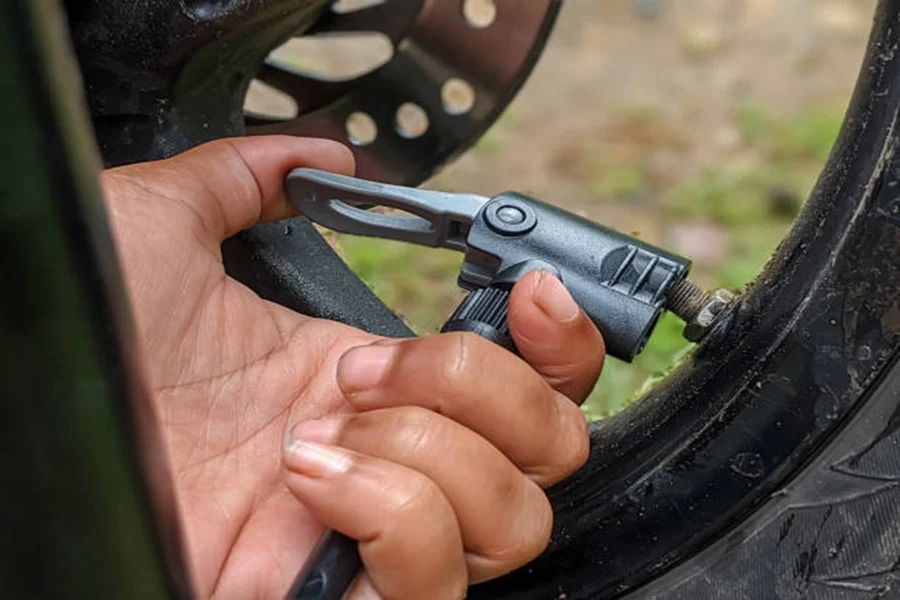
Maintaining proper tire pressure is a vital aspect of mower performance that is often overlooked. Tires influence how your mower handles, its cutting quality, and its efficiency on various terrains. Whether you use a riding mower or a push mower with pneumatic tires, keeping them inflated to the recommended pressure ensures smooth operation and extends the lifespan of both your equipment and your lawn.
Why Tire Pressure Matters
- Even Cutting: Uneven tire pressure can cause the deck to tilt, resulting in uneven grass height.
- Improved Traction: Properly inflated tires provide better grip on inclines and moist surfaces.
- Prolonged Equipment Life: Underinflated tires increase strain on the engine and transmission, leading to premature wear.
- Fuel Efficiency: Correct tire pressure reduces resistance, allowing your mower to operate more efficiently.
Steps for Checking and Adjusting Tire Pressure
- Consult the Owner’s Manual: Locate the manufacturer’s recommended PSI (pounds per square inch) for your specific model.
- Use a Reliable Pressure Gauge: A manual or digital gauge works well for accurately measuring tire pressure.
- Check tire pressure before each mowing session during peak seasons.
- Inspect more frequently if you notice uneven cutting or handling issues.
- Use an air compressor for inflating underfilled tires.
- Release air slowly if the pressure exceeds recommended levels by pressing on the valve stem with a small tool.
| Tire Issue | Possible Effect | Solution |
| Underinflation | Uneven cuts, poor grip | Add air using an air compressor |
| Overinflation | Rough ride, bouncing | Release excess air carefully |
| Uneven Pressure Levels | Tilted deck | Balance all tires to equal PSI |
Tips for Long-Term Maintenance
- Seasonal Adjustments: Changes in temperature can affect tire inflation. Warm weather causes expansion, while cold temperatures lead to deflation.
- Avoid Overloading: Excess weight from attachments or passengers (on riding mowers) can strain tires over time. Stick within weight capacity limits outlined by the manufacturer.
- Look for signs of wear such as cracks, bulges, or thinning tread that could compromise performance.
- Replace damaged tires promptly to avoid disrupting lawn care routines.
Additional Considerations
If your mower uses solid rubber wheels instead of pneumatic tires, routine inspection is still necessary to ensure they remain free from cracks or other damage that could hinder performance.
By prioritizing tire maintenance alongside other essential upkeep practices like sharpening blades and cleaning filters, you’ll protect not only your lawn but also extend the life of your mower equipment significantly.
A CLEAN MOWING DECK
Keeping the mowing deck clean is a crucial yet often overlooked part of mower maintenance. The mowing deck, located underneath the mower, houses the blades and is directly responsible for cutting grass evenly. Neglecting this area can negatively impact performance, lead to uneven cuts, and even accelerate rust or damage over time.
Why a Clean Deck Matters
- Improved Cutting Efficiency: Grass clippings and debris can build up under the deck, reducing blade performance and resulting in ragged or uneven cuts.
- Preventing Corrosion: Damp grass clippings can trap moisture against the metal components of your mower, increasing the risk of rust.
- Boost Longevity: Regular cleaning helps prevent long-term damage to blades and internal parts caused by debris buildup.
- Healthier Lawn: A dirty deck often redistributes old clippings onto your lawn, potentially introducing pests or diseases to healthy grass.
Tools You’ll Need
Before you start cleaning the mowing deck, ensure you have these supplies: – Garden hose or pressure washer
– Plastic scraper or putty knife (metal scrapers can damage surfaces)
– Stiff-bristled brush
– Mild detergent (optional)
– Protective gloves
Step-by-Step Cleaning Process
- Wait until all parts stop moving before handling any component.
- Tilt your mower carefully—refer to the owner’s manual to ensure proper tilting direction (usually backward rather than sideways). Tilting incorrectly could cause oil leaks into unwanted areas.
- Use a plastic scraper or putty knife to dislodge dried grass clumps from under the deck.
- Focus on corners where buildup often accumulates.
- Use a garden hose or pressure washer at low settings to rinse off remaining dirt. Be cautious with high-pressure water as it may damage sensitive parts like belts.
- Apply mild detergent if needed for sticky residue and scrub with a stiff-bristled brush.
- Allow the deck to air dry fully before storing your mower or using it again. Alternatively, use a clean cloth to wipe away excess moisture.
Preventative Measures
To reduce future buildup under your mowing deck: – Avoid cutting wet grass as damp clippings are more likely to stick. – Consider using a silicone spray underneath the deck after cleaning; this creates a slick surface that discourages debris accumulation. – Regularly sharpen blades since dull blades tear grass unevenly, which may increase sticking under wet conditions.
Troubleshooting Common Issues
| Problem | Likely Cause | Solution |
| Uneven cuts | Excessive grass buildup | Clean thoroughly; sharpen blades |
| Rust forming | Moisture trapped by clippings | Remove debris; dry after cleaning |
| Strange noises | Debris affecting blade rotation | Check for obstructions regularly |
By prioritizing regular cleaning of your mowing deck, you’ll extend its lifespan and maintain optimal cutting performance, ensuring both your lawn stays healthy and your machine operates at peak efficiency every time it’s used.
STAY STRONG
Proper mower maintenance not only ensures optimal performance but also extends the life of your machine. To keep your mower “strong” and reliable for years to come, a proactive approach to upkeep is essential. This section highlights ways to ensure your equipment remains robust and able to tackle even the most demanding mowing tasks.
Emphasize Regular Inspection
Frequent inspections help identify minor issues before they become costly repairs.
- Blades: Look for dullness, nicks, or bends.
- Belts: Inspect for cracks or fraying.
- Bolts and screws: Tighten any that have loosened due to vibration.
- Fuel system: Assess fuel lines for leaks or wear.
Document these checks in a logbook or scheduled calendar format to maintain consistency.
| Component | When to Inspect | What to Look For |
| Blades | Before each use | Dullness, damage, uneven wear |
| Belts | Monthly | Cracks, fraying |
| Oil level | Every 5 hours of use | Low levels, dark/dirty oil |
| Spark plug | Annually or if starting issues occur | Carbon buildup, worn electrode |
Maintain Structural Integrity
Your mower’s frame and overall build must endure the stresses of regular operation.
- Clean regularly: Remove grass clippings and debris from the deck after every use. Build-up can lead to corrosion over time.
- Check wheels: Test for wobbling or uneven alignment; replace damaged wheels promptly.
- Protect from rust: Use a rust inhibitor spray on exposed metal parts if you live in a humid area.
Use High-Quality Fuel and Oil
Fuel quality directly impacts engine performance. Always choose clean, fresh fuel with proper octane ratings recommended by the manufacturer. Use premium-grade motor oil designed specifically for small engines. Old or contaminated fuel should be disposed of responsibly—never let it sit unused in the tank over winter.
Tips for Long-Term Storage:
- Drain fuel before storing your mower during off-seasons.
- Add a fuel stabilizer if you plan on leaving any gas in the tank.
Avoid Overloading Your Mower
Pushing your mower beyond its capacity weakens its components over time.
- Adjust blade height based on grass length; cutting too much at once forces the engine into overdrive.
- Avoid mowing wet grass as it clogs the deck and makes cutting more difficult.
- Empty the grass catcher frequently—overfilled bags increase weight and reduce efficiency.
A strong machine starts with treating it right during every use.
Plan Seasonal Maintenance
Beyond routine inspections, schedule comprehensive maintenance sessions at least twice per year—preferably at seasonal transitions (spring/summer or fall/winter). This gives you an opportunity to deep-clean components, sharpen blades professionally, replace filters and spark plugs, and address underlying issues holistically.
By staying consistent with care practices mentioned here alongside attention to other mower essentials like tire pressure or stored positions (covered elsewhere), you’ll ensure strength isn’t just about now but sustained longevity over multiple seasons ahead without compromise!
SPARTAN MAINTENANCE TIPS
When it comes to lawn mower care, a minimalist, disciplined approach can go a long way in extending the life of your equipment. Spartan maintenance tips focus on strategies that are both efficient and practical, ensuring your mower stays reliable while reducing the risk of costly repairs. Below are some streamlined practices to keep your machine in peak condition with minimal effort.
Consistency is key. Setting up a simple schedule for regular maintenance will prevent small issues from escalating and ensure optimal performance.
| Frequency | Task |
| After Each Use | Clean the deck & remove grass buildup |
| Weekly (or bi-weekly) | Check oil level and tire pressure |
| Monthly | Inspect blades, belts, and filters |
| Annually | Replace spark plugs & sharpen blades |
Keeping track of such routine tasks ensures you’re addressing problems proactively.
- Blades: Regular sharpening improves cutting efficiency while reducing strain on the engine. Dull blades not only damage grass but also shorten the lifespan of your mower’s motor. Aim to sharpen the blade two or three times per season if you mow frequently.
- Filters: Keep air and oil filters clean or replace them annually to protect your engine from debris and maintain fuel efficiency.
- Tires: Proper tire pressure ensures even mowing and prevents unnecessary wear on uneven terrain.
By emphasizing these critical areas, you can avoid unnecessary downtime while keeping maintenance manageable.
Investing in quality tools or replacement parts may cost more upfront but saves time and money in the long run by preventing premature wear or failure.
- Durable wrenches for easy spark plug changes.
- High-grade motor oil for smoother operation.
- Reliable grease for lubricating moving parts like wheels or axles.
Using quality materials minimizes inefficiencies while maximizing performance.
- Remove caked-on grass clippings after each use with a soft brush or plastic scraper (avoid metal scrapers as they can damage coatings).
- For tougher residue under the deck, use water sparingly with a garden hose; always avoid spraying directly into electrical components like battery terminals.
- Wipe down external parts with a damp cloth to remove dirt buildup that could lead to corrosion over time.
By adopting practical cleaning methods, you’ll maintain both function and appearance without wasting time or resources.
End-of-season servicing often determines how well your mower will perform next year.
- Empty fuel tank to prevent gum deposits from forming; alternatively, add a fuel stabilizer if you prefer keeping gas inside during storage.
- Store indoors in a dry place where temperature fluctuations won’t cause condensation inside sensitive areas like the carburetor or fuel lines.
These steps shield your machine from long-term seasonal damage while setting it up for success at first start next season.
Spartan maintenance isn’t about cutting corners—it’s about focusing your efforts where they matter most while staying consistent with care routines throughout the year. With these thoughtful yet streamlined tips, you’ll preserve both time and resources while ensuring top-notch performance season after season.