Mowing Schedule
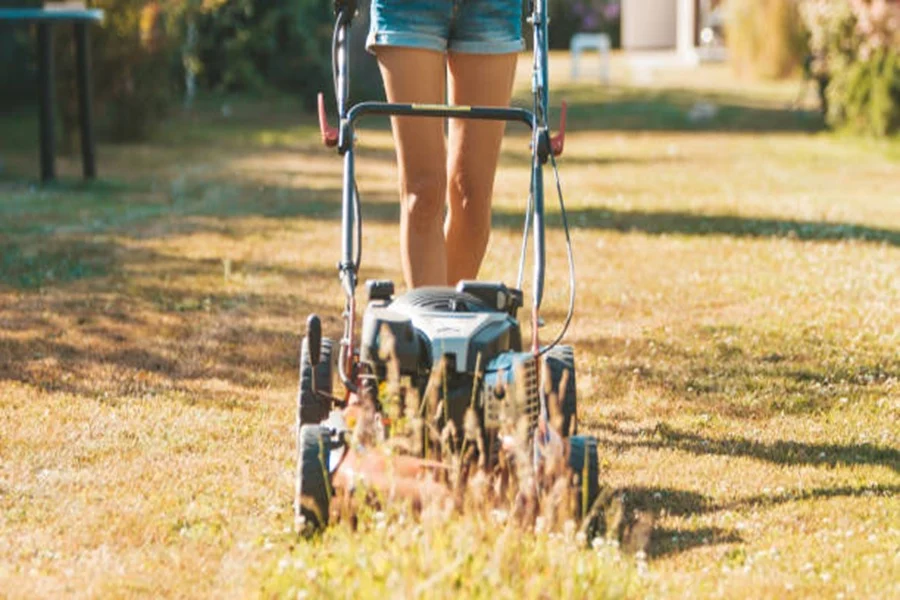
Maintaining a well-timed mowing schedule is essential for keeping your lawn healthy and visually appealing throughout the summer months.
Understand Grass Growth Rates
The frequency of mowing depends largely on how quickly your grass grows, which can vary depending on:
– Grass Type: Cool-season grasses like fescue and rye grow differently than warm-season varieties such as Bermuda or Zoysia.
– Seasonal Growth Patterns: Grass typically grows faster in early summer when conditions are warm and slightly damp compared to late summer when heat slows down growth.
For most lawns, a weekly mow during peak growing seasons is ideal, but this may vary based on local climate and grass type.
The “One-Third Rule”
Cutting too much at once shocks the plant, weakens root systems, and increases vulnerability to diseases.
For instance: | Grass Height (Current) | Desired Height | Recommended Cut Amount | |————————-|—————-|————————-| | 3 inches | 2 inches | Up to 1 inch | | 4 inches | 3 inches | Up to 1.
By adhering to this principle, you’ll promote steady growth and reduce thatch buildup.
Adjust for Weather Conditions
During periods of drought or extreme heat common in summer months:
– Consider reducing mowing frequency so grass retains more height for shading its roots from direct sunlight.
– Avoid mowing right after heavy rain; wet grass can clump under your mower blades, leading to uneven cuts and potential turf damage.
Scheduling Tips for Efficiency
Here are some practical tips for keeping track of your mowing routine:
– Create a Calendar: Use a digital or physical calendar to mark days when mowing is due based on observed growth rates.Set Reminders: If you’re prone to forgetting tasks, use phone reminders or apps designed for lawn care scheduling.Observe Your Lawn Regularly: Sometimes unpredictable weather patterns may alter growth rates; adjust accordingly by inspecting your lawn every few days.
Benefits of a Consistent Mowing Schedule
Committing to a steady schedule offers several advantages: – Prevents tall weeds from thriving. – Encourages even nutrient absorption across the lawn. – Helps maintain a uniform appearance that enhances curb appeal.
By staying proactive with your mowing schedule during summer, you’ll foster healthier turf that’s better equipped to withstand seasonal challenges such as heat waves or increased foot traffic from outdoor activities.
Mowing Height
Maintaining the right mowing height is essential for a healthy and vibrant lawn during the summer months. Grass that is cut too short can become stressed, making it more susceptible to heat, drought, and pests. On the other hand, allowing grass to grow too long can lead to uneven growth and an untidy appearance. Striking the right balance is critical for both aesthetics and lawn health.
Benefits of Proper Mowing Height
- Improved Root Health: Taller grass encourages deeper root growth, which helps lawns withstand heat and drought stress more effectively.
- Weed Suppression: Longer blades block sunlight from reaching weed seeds, reducing their ability to germinate.
- Moisture Retention: Grass kept at an ideal height shades the soil, preventing excessive evaporation and keeping the soil cooler.
- Disease Resistance: Healthy grass cut at an appropriate height is less likely to suffer from diseases or fungal outbreaks.
Recommended Heights for Common Grass Types
Different grass species require different mowing heights.
| Grass Type | Ideal Mowing Height (inches) |
| Bermuda Grass | 1 – 2 inches |
| Kentucky Bluegrass | 2.5 – 3.5 inches |
| Fescue | 3 – 4 inches |
| Zoysia | 1 – 2.5 inches |
| St. Augustine | 2.5 – 4 inches |
Key Tips for Maintaining Proper Mowing Height
- Adjust Your Mower Blade: Regularly check your mower’s blade settings to ensure they align with the recommended heights for your specific grass type.
- Avoid Scalping Your Lawn: Cutting too low (scalping) weakens your lawn by removing too much leaf surface area needed for photosynthesis.
- Consider Seasonal Adjustments: During hot summer months, keep the mowing height on the higher end of the range to promote resilience against heat and conserve moisture.
Common Mistakes to Avoid
- Dull Blades: A dull mower blade tears instead of cuts, leaving jagged edges that can invite disease.
- Infrequent Adjustments: Failing to adjust blade settings as needed based on seasonal changes or growth rate can impact lawn health negatively.
- Ignoring Growth Rate Variations: Some areas of your lawn may grow faster than others due to differences in sunlight or soil quality—adjust mowing frequency if necessary.
By adhering to these guidelines on mowing height, you’ll foster a stronger, healthier lawn that thrives under challenging summer conditions while enhancing its overall appearance and vitality throughout the season.
Mowing Height
Maintaining the proper mowing height for your lawn is one of the most critical aspects of summer mowing. Here’s an in-depth guide to understanding and setting the optimal mowing height for summer.
Why Mowing Height Matters
The height at which you mow determines how well your lawn can thrive under the stress of summer heat and dryness. Grass that is cut too short loses its ability to shade the soil, which can: – Increase water evaporation. – Expose roots to excessive heat. – Allow weeds like crabgrass to take hold more easily.
On the other hand, grass that is kept slightly taller during summer helps: – Retain moisture in the soil by providing shade. – Support deeper root growth essential for drought resistance. – Outcompete weed seedlings by blocking sunlight.
Recommended Mowing Heights for Common Grass Types
The ideal mowing height varies depending on the type of grass in your yard.
| Grass Type | Ideal Summer Mowing Height (inches) |
| Kentucky Bluegrass | 2.5 – 3.5 |
| Tall Fescue | 3 – 4 |
| Bermuda Grass | 1 – 2 |
| Zoysia Grass | 1 – 2 |
| St. Augustine Grass | 2.5 – 4 |
Ensure you know your lawn’s grass type so you can adjust your mower settings accordingly.
Adjusting Your Mower
Modern mowers often come with adjustable deck heights, making it simple to fine-tune how much grass is trimmed with each pass. Follow these tips when adjusting your mower: – Raise your mower blades slightly higher than usual during peak summer months to prevent scalping (cutting too short). – If you’re unsure about settings, experiment by starting with a higher cut and gradually lowering it if needed. – Regularly sharpen mower blades—dull blades tear instead of cutting cleanly, stressing the grass further.
Best Practices for Maintaining Proper Height
Keep these practical tips in mind throughout the season: 1.Avoid cutting more than one-third of the blade’s length: Removing too much at once shocks the plant and weakens its root system. 2.Mow regularly: Allowing grass to grow too tall between cuts results in uneven mowing and increased stress on both lawn equipment and turf. 3.Account for weather conditions: During periods of drought or extreme heat, keep your grass on the taller end of its recommended range. 4.Use a mulching mower if possible: Returning clippings to the lawn provides nutrients and acts as a natural mulch layer.
Signs You Need To Adjust Your Mowing Height
If something seems off with your lawn’s health, it may be due to improper mowing height. Watch out for these warning signs: – Brown patches appearing shortly after mowing could mean you’re scalping sections of your yard. – Slow recovery after cutting indicates that plants are under stress from being trimmed too short. – Increased weed presence often stems from overly aggressive cuts that weaken turf density.
By keeping an eye on these indicators and following guidelines tailored for your specific grass type, you’ll create a healthier, more resilient lawn capable of enduring even harsh summer conditions without compromising its vibrant appearance or functionality.
Time of Day
The time of day you choose to mow your lawn can play a significant role in maintaining its health and appearance. Mowing at the wrong time can stress the grass, reduce its resilience, and even make it more vulnerable to pests or diseases. Below are key considerations and tips for selecting the ideal time to mow your lawn during the summer.
Why Timing Matters
Grass reacts differently depending on the conditions under which it is cut. Factors such as temperature, sunlight, and moisture levels in the soil influence how well your lawn recovers after mowing. Timing your mowing sessions thoughtfully ensures that you minimize damage and promote healthy growth.
Best Times to Mow
- Pros:
- Cooler temperatures make this a comfortable time for both you and the grass.
- Dew on the ground may hydrate grass blades slightly, reducing stress during cutting.
- Ample recovery time before afternoon heat sets in.
- Wet grass from dew can clump inside your mower or result in uneven cuts.
- Pros:
- Grass has had all day to dry off from morning dew or watering.
- Cooler temperatures reduce stress on freshly cut grass.
- Avoids peak sunlight hours, which can scorch exposed stems after cutting.
- Cons:
- Limited daylight might reduce visibility if mowing takes too long.
Times to Avoid
- Midday (10:00 AM – 2:00 PM):
The midday sun is at its strongest, causing extreme heat that stresses both you and your lawn. Mowing during these hours can leave freshly cut grass more prone to drying out or burning. - Evening (After 6:00 PM):
While it may seem convenient, evening mowing leaves little recovery time before overnight dew sets in. Wet conditions overnight increase the risk of fungal growth on recently mowed lawns.
Practical Tips for Timing
- Check local weather forecasts to avoid mowing ahead of rain.
- Monitor soil conditions; avoid cutting when the ground is overly wet or soggy as this can compact soil and damage roots.
- Adjust schedules seasonally; longer summer days provide more flexibility than shorter spring or fall days.
- To optimize efficiency, plan tasks like watering or fertilizing around your mowing schedule for seamless lawn care coordination.
| Time Window | Pros | Cons |
| Early Morning | Cool temps; recovery time | Wet dew causes clumping |
| Late Afternoon | Dry grass; cooler temps | Limited daylight |
| Midday | None | Heat stresses grass |
| Evening | Convenient | Risk of fungal issues |
Maintaining a consistent mowing routine while considering timing will help ensure that your lawn thrives throughout summer months without unnecessary stress.
Watering
Proper watering is a critical aspect of lawn care during the summer, as it directly impacts the health and resilience of your grass. Overwatering or underwatering can lead to issues such as fungal growth, shallow root systems, or drought stress. A well-balanced watering routine keeps your lawn hydrated and prevents unnecessary stress caused by extreme weather conditions.
Understand Your Grass Type
Different grass types have varying water needs. Knowing your grass variety ensures you provide the appropriate amount of water without overdoing or neglecting hydration. Common warm-season grasses like Bermuda, Zoysia, or St. Augustine generally require less frequent watering but in deep amounts compared to cool-season grasses like Kentucky Bluegrass or Ryegrass.
On average, most lawns require about 1–1. 5 inches of water per week, including rainfall.
- Clay soils: Retain moisture longer but tend to compact; monitor for pooling.
- Loamy soils: Hold moisture well and offer more flexibility in scheduling.
To measure how much water your grass is receiving: – Use a rain gaugeor a small container (like a tuna can) placed on the lawn during irrigation. – Time how long it takes to fill it with 1 inch of water for efficient scheduling.
Watering at the right time of day ensures optimal absorption and minimizes evaporation loss: – Early morning (around 6–9 AM)is ideal since temperatures are cooler, and there’s less wind.
Midday watering should also be avoided unless absolutely necessary due to extreme heat stress.
Deep vs.
Encourage deeper root growth by watering deeply but less frequently: – Aim for one or two sessions per week that soak the top 6–8 inches of soil rather than daily shallow sprinkling. – Shallow roots resulting from frequent light watering make your lawn more vulnerable to drought conditions during hot spells.
Techniques for Efficient Lawn Watering
Consider these tips for reducing waste while ensuring even coverage: – Use soaker hoses or drip irrigation systemsfor targeted hydration near roots. – Ensure sprinklers are positioned correctly to avoid runoff onto sidewalks or driveways. – Perform regular maintenance on sprinkler heads to prevent clogging or uneven spraying patterns.
| Technique | Benefits |
| Soaker Hose | Targets roots directly; reduces waste |
| Drip Irrigation | Conserves water; minimizes evaporation |
| Smart Sprinklers | Adjusts timing based on weather data |
Monitor Rainfall
During rainy periods, adjust your irrigation schedule accordingly: 1. Use rain sensors connected to automatic sprinkler systems if possible. 2. Let natural precipitation take care of weekly water needs when sufficient rainfall occurs.
Recognizing Overwatering Symptoms
Too much water can harm your lawn as much as too little. Watch out for signs like: – Persistent puddles after irrigation sessions – Yellowing grass blades – Increased weed growth (e. g.
By tailoring your approach based on these principles, you can keep your lawn hydrated while conserving resources and promoting healthy growth throughout the summer season.
Time of Day: Choosing the Best Time for Summer Mowing
Mowing your lawn at the right time of day during the summer is a critical step in maintaining a healthy and vibrant yard. The time you mow directly impacts not only the health of your grass but also how efficiently you can complete this task. Here’s what you need to know about selecting the ideal time to mow during the hotter months.
The Importance of Timing
Grass is a living organism, and like any plant, it responds differently depending on environmental conditions. During summer, heat stress can already take a toll on your lawn. Mowing at an inappropriate time can exacerbate that stress and lead to issues such as brown patches, dehydration, or slower growth.
Best Times for Mowing
- Pros:
- Cooler temperatures allow for less strain on both you and your grass.
- Dewy grass stays hydrated after mowing, reducing immediate stress.
- Cutting wet grass may result in uneven cuts or clumping of clippings, which can suffocate portions of your lawn if not removed promptly.
- Pros:
- Grass has had ample time to dry from morning dew or irrigation.
- Temperatures are cooler compared to midday heat, making it more comfortable for you as well.
- The sun is less intense, reducing stress on freshly trimmed blades of grass.
- Cons:
- Minimal downsides; however, evening mowing should be wrapped up before dusk to avoid poor visibility.
Times to Avoid Mowing
- Midday (11 AM – 3 PM):
High heat during these hours can cause severe stress to both your lawn and yourself. Freshly cut grass is more susceptible to drying out under the scorching midday sun. Additionally, operating machinery in such high temperatures increases the risk of dehydration and fatigue for you. - Night:
While cooler temperatures may seem inviting after sunset, mowing at night creates challenges such as poor visibility and uneven cuts. More importantly, leaving freshly cut blades overnight without sunlight makes them prone to fungal diseases due to lingering moisture.
Practical Tips for Better Timing
- Monitor weather forecasts before planning your mowing schedule. Aim for cloudy yet dry days when possible.
- Keep an eye on dew levels in the morning; wait until most dew evaporates before beginning.
- If using sprinklers or irrigation systems, avoid watering just before you mow—ensure all water has dried off by late afternoon.
- Adjust schedules based on seasonal patterns; lawns in regions with intense summer heat may require earlier mornings or late afternoons more consistently.
| Time | Suitability | Notes |
| Early Morning | Moderate | Watch out for wet clippings from dew |
| Late Afternoon | Ideal | Cool temps with adequate drying time |
| Midday | Poor | Risk of heat damage and personal discomfort |
| Night | Poor | Increased risk of disease due to lingering moisture |
By understanding when it’s best to mow based on daily temperature patterns and light availability, you’ll create an environment where your lawn thrives throughout summer without unnecessary wear or tear caused by poor timing decisions.
Time of Day
The time of day you choose to mow your lawn can have a significant impact on both the health of your grass and the efficiency of your work. Understanding how different times impact grass behavior can make a noticeable difference.
Why Timing Matters
Lawn care isn’t just about cutting grass; it’s about preserving its long-term health.
– Grass Stress: Grass blades are susceptible to stress from temperature extremes and moisture loss. Mowing at the wrong time can make this worse.Moisture Content: Dew, rain, or irrigation water on grass blades can clog mower blades and lead to uneven cuts or clumping.Sun Exposure: Freshly cut grass is vulnerable to sunburn as it loses moisture more quickly in high heat.
Best Times for Mowing
- Late Morning (8 AM – 10 AM)
This is often one of the best windows for mowing: - Any morning dew or overnight moisture has had enough time to evaporate.
- Temperatures are still moderate, reducing heat stress on freshly cut grass.
- Grass has recovered somewhat from photosynthesis activity during sunrise hours.
- Late Afternoon (4 PM – 6 PM)
Another excellent option is late afternoon: - The heat of midday has subsided but there’s still sufficient daylight.
- Grass can recover and heal overnight after being trimmed while avoiding prolonged sun exposure.
- Cooler temperatures reduce water loss and overall plant stress.
Times to Avoid
| Time Period | Why It’s Problematic |
| Early Morning | Dew makes grass too wet, leading to uneven cuts. |
| Midday | High temperatures increase plant stress levels. |
| Evening | Moisture levels rise again, inviting fungal growth overnight. |
Additional Tips for Timing Your Mowing
- Check Local Conditions: Keep an eye on weather forecasts as temperature spikes or unexpected rain can change optimal timing.
- Adjust Seasonally: In hotter months, favor early mornings or evenings; in cooler months with shorter days, mid-morning may work better.
- Consider Lawn Size: For larger lawns that take longer to mow, start earlier within recommended periods so you finish before conditions worsen.
Choosing the right time of day for mowing is an essential part of responsible lawn care that keeps your grass healthy while making your work easier and more efficient. By being mindful of conditions like temperature and moisture levels, you’ll set yourself up for success with every mow.