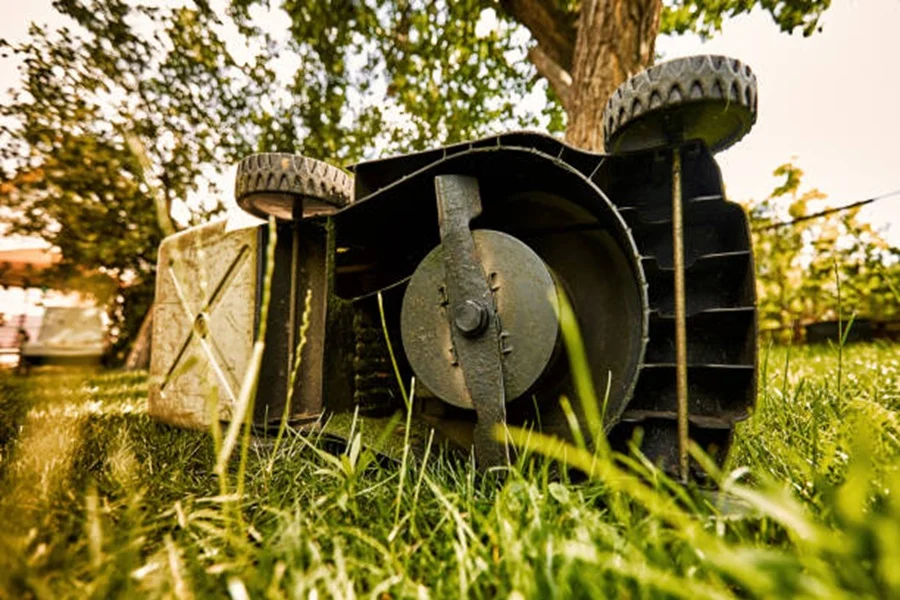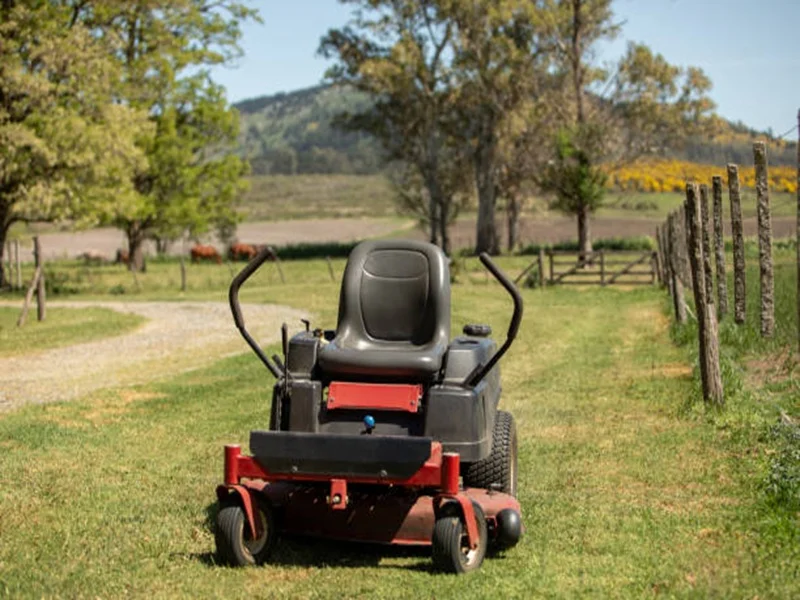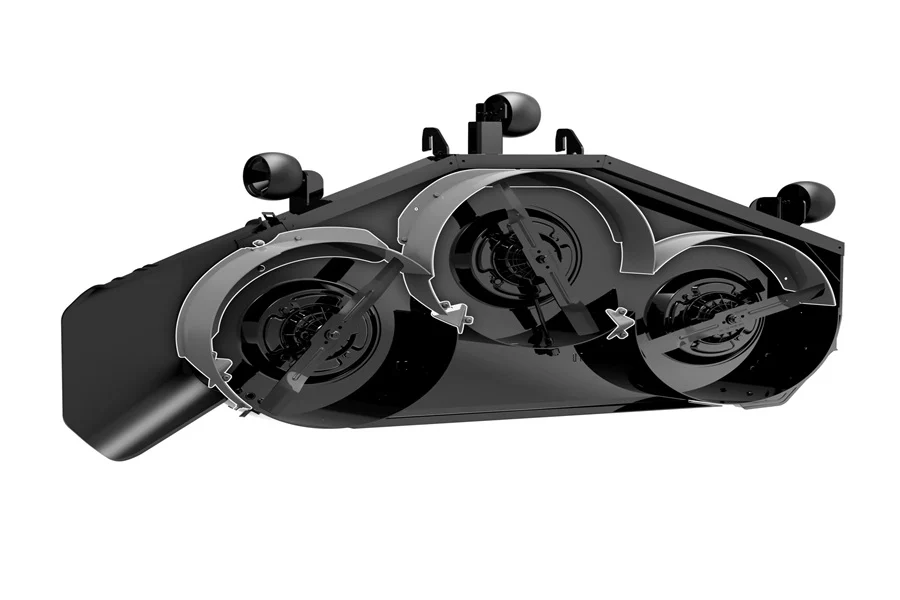
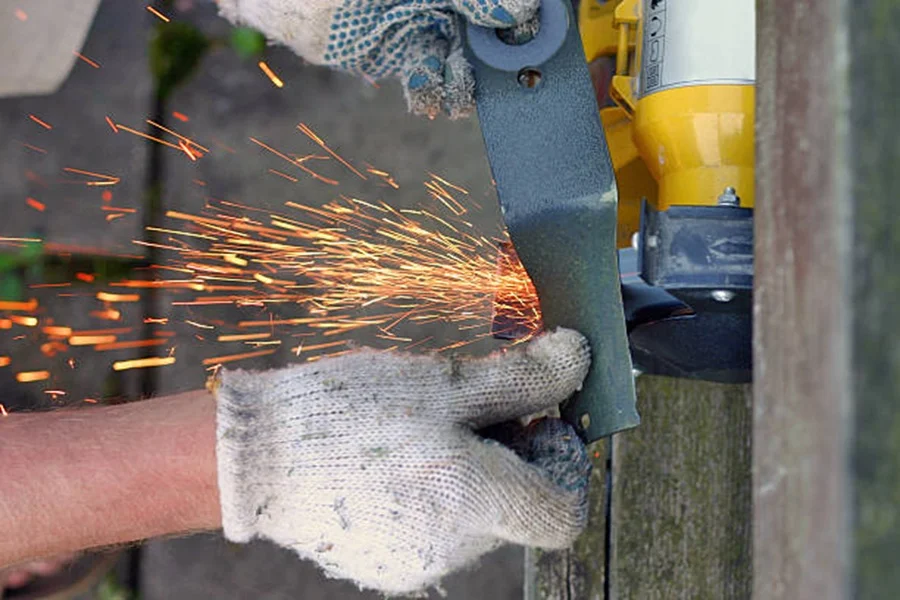
WHAT’S SO BAD ABOUT DULL BLADES
Maintaining sharp mower blades is vital for the health of your lawn and the efficiency of your lawn care routine. Dull blades may seem like a minor inconvenience, but they can lead to several significant problems that impact both the appearance of your yard and the longevity of your equipment. Let’s explore why dull blades are more problematic than you might think.
Impact on Lawn Health
- Make grass vulnerable to diseases: Frayed grass edges create open wounds that invite pests, fungi, and diseases to take hold. This can result in brown patches or an unhealthy lawn overall.
- Hinder photosynthesis: Damaged grass struggles to absorb sunlight efficiently, which slows down growth and results in a weaker lawn.
- Increase water loss: Shredded grass loses more moisture through its damaged tips, making your lawn thirstier and more susceptible to drought stress.
Inefficient Mowing
- Uneven Cuts: Instead of a smooth, uniform finish, dull blades leave behind uneven patches that detract from your lawn’s appearance.
- Increased Thatch Build-Up: Torn grass clippings are harder to break down naturally and tend to accumulate on the soil surface as thatch—this layer can suffocate roots if left unchecked.
- Higher Fuel Consumption (for gas-powered mowers): A mower with dull blades has to work harder to cut through tough grass, which increases fuel usage and wear on the engine over time.
| Problem | Cause | Effect On Lawn/Equipment |
| Frayed Grass Edges | Tearing instead of clean cuts | Promotes disease & slows growth |
| Uneven Lawn Appearance | Poor cutting performance | Requires additional passes |
| Engine Overworking | Increased resistance | Accelerates equipment wear |
Environmental & Financial Costs
- Higher maintenance costs: A harder-working mower engine requires more frequent servicing and replacement parts.
- Increased environmental impact: If you’re using a gas-powered mower, higher fuel consumption contributes to greater greenhouse gas emissions.
- Wasted time and energy: Re-mowing sections due to uneven cuts consumes extra time that could be spent elsewhere.
Why Routine Blade Maintenance Matters
Keeping your mower blades sharp isn’t just about aesthetics; it’s about fostering a healthy environment for your lawn while optimizing time and resources spent on maintenance tasks. By sharpening your mower blades regularly (or replacing them when needed), you’ll ensure better results with less effort—and avoid many headaches caused by using dull tools.
HOW YOU AVOID A SLOPPY LAWN
A well-maintained lawn can transform the appearance of your yard, making it look pristine and vibrant. However, dull mower blades can undermine all your hard work by leaving an uneven, sloppy finish. By keeping your mower blades sharp, you ensure the grass is cut cleanly and evenly every time. This section will explore how sharpening your mower blades contributes to a neat, healthy lawn and prevents an untidy look.
The Problem with Dull Blades
Dull mower blades tear grass instead of cutting it cleanly. This tearing action can result in:
– Uneven Cuts: Grass may vary in height across the lawn due to improperly cut areas.
– Frayed Edges: Torn grass leaves jagged edges that not only look messy but are also more prone to disease and pests.
– Discoloration: Torn grass tips often turn brown or yellow as they heal, creating a patchy appearance.
A sloppy lawn isn’t just aesthetic; it can have negative consequences for the overall health of your grass.
Benefits of Sharp Blades for Lawn Appearance
Using sharp mower blades ensures each blade of grass is sliced cleanly at the same height. Here’s how this improves the quality of your lawn:
– Consistent Height: Grass will appear uniform, smooth, and professional-looking after each mow.
– Healthier Grass: Clean cuts minimize damage to the plant tissue, allowing for quicker recovery and healthier growth.
– Enhanced Color: With sharp cuts, grass maintains its natural green color without unsightly browning at the tips.
When you prioritize sharpening your mower blades regularly, you’re investing in both the beauty and health of your outdoor space.
How Sharpening Improves Mowing Efficiency
Sharp blades not only produce better visual results but also make it easier for you to mow effectively:
– Fewer Passes Needed: Sharp blades cut through grass efficiently in one pass rather than requiring multiple attempts over missed spots. – Reduced Stress on Equipment: Dull blades force the mower’s engine to work harder, potentially leading to mechanical strain or damage over time. – Time-Saving Maintenance: With a sharper blade producing cleaner cuts faster, you’ll spend less time mowing overall.
Comparing a Sloppy Lawn vs. a Neatly Cut Lawn
| Feature | Sloppy Lawn (Dull Blades) | Neatly Cut Lawn (Sharp Blades) |
| Grass Height | Uneven | Consistent |
| Grass Tips | Frayed edges with browning | Clean-cut with vibrant green color |
| Mowing Efficiency | Requires multiple passes | Smooth cutting in fewer passes |
| Health Impact | Higher risk of disease and pest infestation | Lower risk due to clean cuts |
Practical Steps to Maintain Sharp Blades
To avoid ending up with a sloppy-looking lawn caused by dull equipment: 1. Inspect your mower blades regularly for signs of wear or nicks. 2. Sharpen dull blades using proper tools such as grinders or files. 3. Replace old or excessively worn-out blades that cannot be sharpened effectively. 4. Clean debris off the underside of your mower after each use to prevent buildup that can dull the blade edge.
By taking these actions consistently throughout mowing season, you’ll preserve both functionality and aesthetics while avoiding common pitfalls caused by neglecting blade maintenance.
In summary, sharpening your mower blades is one of the simplest yet most effective ways to maintain a professional-looking lawn while promoting healthier growth conditions for your grass over time.
TIPS FOR SHARPENING YOUR BLADES
1. Gather the Right Tools
Before starting, it’s essential to have the right tools on hand for the job. Using appropriate equipment will not only make the process easier but also safer.
Tools you may need include: – A flat file or bench grinder
– Blade sharpening kit (optional)
– Socket wrench (for removing the blade)
– Metal clamp or vice (to hold the blade in place)
– Safety gloves & goggles (for protection)
– Balancing tool (to check blade alignment after sharpening)
Having these tools ready ensures an efficient process and minimizes accidents during sharpening.
2. Remove the Blade Safely
- Disconnect the spark plug wire to avoid accidental starts while working on your mower.
- Use a socket wrench to loosen and remove the bolt holding the blade in place.
- Mark one side of the blade with tape or a marker so you can reinstall it correctly later.
A secure removal process sets up for precise sharpening while preventing potential safety risks.
3. Inspect Before You Sharpen
- Look for nicks, dents, or bent edges caused by rocks or debris.
- Blades with excessive wear or deep cracks may need replacing rather than sharpening.
- If rust is visible, clean it off using a wire brush before proceeding with sharpening.
This step ensures any underlying issues are addressed before continuing with maintenance.
4. Sharpen at the Correct Angle
- Most mower blades are sharpened at an angle of about 30°–45°.
- Use a flat file, following the existing angle of the cutting edge, making smooth strokes along one direction.
- Alternatively, use a bench grinder for faster results—just take care not to overheat or wear down too much metal in one area.
Maintain consistency across both sides of your blade for an even cut when mowing.
5. Balance Your Blade
- Place your blade on a balancing tool or hang it horizontally from its center point using a nail.
- If one side dips lower than the other, remove material from that side until balance is achieved.
Balanced mower blades prevent strain on your engine and reduce uneven vibration during operation.
6. Reinstall Securely
- Reattach your sharpened blade securely using its original bolt.
- Double-check that everything is tightened properly before reconnecting spark plug wires and testing out your mower.
A well-reinstalled and maintained blade ensures safe operation going forward.
Summary Table: Key Steps
| Step | Action | Purpose |
| Gather Tools | Collect necessary items | Ensures safe & efficient work |
| Remove Blade | Disconnect spark plug/remove | Prevents accidental starts |
| Inspect Condition | Check damage/rust | Identifies if replacement is needed |
| Sharpen at Angle | Maintain correct angle | Promotes precise & clean cuts |
| Balance Carefully | Ensure even weight distribution | Prevents engine strain & vibration |
| Reinstall Blade | Secure firmly | Guarantees safe operation |
By following these tips carefully, you can extend your lawnmower’s lifespan while achieving pristine cuts every time you mow. Taking time to sharpen correctly also supports healthier lawns by minimizing plant damage caused by dull edges—a win-win for both aesthetics and functionality!
SAFETY FIRST
Maintaining the sharpness of your mower blades is important, but ensuring safety throughout the process should always come first. Sharpening mower blades involves working with sharp tools and heavy equipment, which can pose risks if proper precautions aren’t taken. By following best practices for safety, you not only protect yourself but also ensure your equipment remains in good condition.
Preparation is Key
- For electric mowers, unplug the machine or detach the battery.
- For gas-powered mowers, disconnect the spark plug to prevent accidental starts.
- Wear appropriate gear:
Protective clothing and accessories can reduce your risk of injury: - Heavy-duty gloves to avoid cuts when handling sharp edges.
- Safety goggles to protect your eyes from sparks or metal debris during sharpening.
- Sturdy work boots to shield feet from dropped tools or blades.
- Stabilize your mower:
Always place your mower on a flat, stable surface before working on it. Use wheel chocks if necessary to prevent unwanted movement.
Safe Blade Removal
- Consult the owner’s manual: Always refer to your mower’s manual for specific instructions on blade removal and replacement.
- Use proper tools: Ensure you have a wrench or socket that fits snugly on the blade bolt. Avoid using makeshift tools that could slip and cause injury.
- Secure the blade during removal: Use a piece of wood to brace between the blade and the mower deck to stop it from turning while loosening bolts.
Sharpening with Caution
- Choose a stable workspace like a bench with clamps to secure the blade while sharpening.
- Keep your hands away from cutting edges during sharpening.
- Work slowly and evenly along both sides of the blade for balance; an unevenly sharpened blade can result in vibration during mowing.
After Sharpening: Reinstallation and Testing
- Ensure bolts are tightened securely but not over-torqued (refer again to your owner’s manual for torque specifications).
- Inspect nearby components like belts or spindles for damage before reassembly.
- Test carefully by performing a dry start (with no grass cutting) in an open area free from obstacles.
| Do’s | Don’ts |
| Disconnect power before starting | Work without gloves |
| Use proper tools | Over-tighten bolts |
| Secure blades before sharpening | Ignore balance when sharpening |
| Follow manufacturer’s guidelines | Rush through preparation steps |
Why Safety Matters
Neglecting safety protocols can lead to severe injuries such as lacerations or burns caused by sparks. Additionally, poorly executed maintenance may damage both you and your equipment over time. Taking extra precautions ensures that every step—from removing blades to reinstalling them—is conducted smoothly and without unnecessary risks.
By prioritizing safety during every stage of maintaining sharp mower blades, you safeguard yourself while promoting better lawn care results.
HOW OFTEN SHOULD YOU SHARPEN YOUR MOWER BLADES
Regularly sharpening your mower blades is crucial for maintaining a healthy lawn, ensuring efficient mowing, and extending the lifespan of your equipment. The frequency with which you should sharpen your mower blades depends on several factors, including how often you mow, the type of grass in your yard, and the overall condition of the blades themselves. Below, we’ll break down these considerations in detail to help you develop an effective maintenance schedule.
Factors Influencing Sharpening Frequency
- If you mow frequently (e.g., once or twice a week), your blades will naturally dull more quickly due to repeated contact with grass and soil.
- High-mowing frequency may require sharpening every 20-25 hours of use.
- Coarser grass types like Zoysia or Bermuda have tougher blades that dull mower edges faster than finer grasses like Kentucky Bluegrass.
- Wet or thick grass causes additional strain on the blade edge and can accelerate dulling.
- If your lawn has debris such as rocks, sticks, or other foreign objects, this can cause nicks and chips in the blade that require frequent attention.
- Sandy soil can act like sandpaper against the blade edge during mowing.
- High-quality steel blades often stay sharper for longer compared to lower-grade materials.
- Some manufacturers provide specific recommendations for their blade sharpening intervals based on materials.
General Guidelines for Sharpening Schedules
| Mowing Frequency | Recommended Sharpening Interval |
| Weekly (Heavy Usage) | Every 20-25 hours of mowing |
| Biweekly (Moderate Use) | Every 25-35 hours of mowing |
| Occasional Use | At least once per season |
For most homeowners with average use, sharpening lawnmower blades 2-3 times per season is typically sufficient to keep cuts clean and effective. However, if you’re noticing signs such as uneven mowing or ragged grass edges earlier than expected, it might be time to reassess your schedule.
Signs Your Mower Blades Need Sharpening
- Grass appears torn rather than cleanly cut; tips turn brown quickly after mowing.
- Uneven cutting height across different areas of your lawn.
- The mower seems to be pulling or struggling through dense patches of grass.
- You notice physical damage on the blade edge such as chips or dents.
If any of these signs appear before you’ve reached your expected sharpening interval, inspect and sharpen the blades sooner to prevent further wear or damage to your equipment.
Practical Tips for Staying On Schedule
- Log Your Mowing Hours: Track how many hours you’ve used your mower since its last maintenance session.
- Inspect Regularly: Perform a quick visual inspection after every few uses to check for damage or wear.
- Set Seasonal Reminders: Even if you haven’t hit the recommended usage threshold, consider sharpening at least once mid-season if you’re unsure about wear levels.
- Keep Spares Ready: Having a second set of sharp blades ready allows you to swap them out immediately without delaying any yard work.
By staying consistent with these practices, you’ll ensure that your lawn stays healthy while minimizing unnecessary stress on both the mower engine and the blade itself. A clear maintenance routine helps protect not only your equipment but also ensures a professional-looking cut every time you mow.
HOW OFTEN SHOULD YOU SHARPEN YOUR MOWER BLADES
Maintaining sharp mower blades is essential for keeping your lawn healthy and vibrant. However, many homeowners struggle to determine how often they should perform this crucial maintenance task. The frequency of sharpening depends on several factors, including the type of grass you have, how frequently you mow, and the condition of your lawn. Below, we’ll explore these considerations in detail to help you establish a routine that works best for your needs.
Factors Affecting Sharpening Frequency
- If you mow your lawn once a week during the growing season, your blades will naturally dull faster than if you mow less often.
- For lawns that require frequent trimming due to rapid growth, consider sharpening the blades every 20-25 hours of mowing time.
- Softer grass varieties (like Kentucky bluegrass) are less taxing on mower blades compared to tougher types (like Bermuda or Zoysia grass).
- Heavily textured or thick grass may necessitate more frequent sharpening due to increased wear.
- Lawns with sticks, stones, or other debris can quickly dull your blades when hit during mowing.
- If you notice frequent encounters with hard objects while mowing, inspect and sharpen your blades more regularly.
Signs It’s Time to Sharpen
- Uneven Cuts: Grass looks torn or frayed rather than cleanly severed.
- Brown or Damaged Tips: Torn grass tips are more susceptible to disease and often turn brown after mowing with dull blades.
- Increased Effort: Your mower struggles to cut through grass efficiently despite being in good working condition otherwise.
If these symptoms persist after mowing, it’s time to sharpen the blade before further damage occurs.
General Guidelines by Usage
| Usage Type | Approximate Sharpening Frequency |
| Light use (monthly) | Once per season |
| Moderate use | Every 20-25 hours of operation |
| Heavy use | Every 10-15 hours of operation |
Practical Tips for Staying on Schedule
- Track Mowing Hours: Use a notebook or app to log how many hours you’ve used the mower since its last blade sharpening.
- Inspect Blades Regularly: After every few mows, check the blade edges visually for nicks or bluntness.
- Seasonal Maintenance: At minimum, plan to sharpen your mower blades at least twice per year—once at the start of spring and again mid-season—to maintain optimal performance.
- Keep Spare Blades Handy: Having an extra set of pre-sharpened blades ensures uninterrupted cutting during peak seasons when maintenance schedules get tight.
Sharpening your mower blades at appropriate intervals leads not only to a healthier lawn but also prolongs the lifespan of your equipment while saving time and effort in maintaining it effectively over time.
HOW OFTEN SHOULD YOU SHARPEN YOUR MOWER BLADES
Regular maintenance of your mower blades is key to maintaining a healthy, pristine lawn. Knowing how often to sharpen them depends on several factors, including the frequency of use, the type of grass or vegetation you mow, and the environmental conditions in your area. Let’s break down these factors to help you establish an optimal schedule for sharpening your mower blades.
Factors That Influence Sharpening Frequency
- Frequency of Use
If you mow your lawn weekly during peak growing seasons (such as spring or summer), your blades will dull more quickly compared to someone who mows less frequently. For weekly mowing, sharpening every 20-25 hours of use is typically recommended. For less frequent mowing, you may only need to sharpen the blades two or three times per season. - Grass Type and Conditions
Tougher grasses like Bermuda or Zoysia put extra strain on mower blades compared to softer grasses such as Ryegrass or Fescue. Additionally, lawns with lots of weeds or small twigs can cause quicker dulling. For tougher grasses or lawns with debris, consider sharpening after every 15 hours of mowing. - Soil and Environmental Factors
If you mow in areas with sandy soil or if rocks occasionally find their way into your path, your blades will become dull at a faster rate. Sand and small stones act like abrasives that wear down blade edges more quickly than grass alone. In such cases, inspect and sharpen the blades more frequently—approximately every 10-15 hours of use.
Signs It’s Time To Sharpen Your Blades
Even if you’re not tracking usage hours, there are tell-tale signs that your mower blades need attention:
– Frayed Grass Tips: A sharp blade slices cleanly through grass while a dull one tears it, leaving frayed tips that turn brown over time. – Uneven Cuts: Dull blades may result in an inconsistent cut height across the lawn. – Increased Effort While Mowing: If it feels like pushing the mower is harder than usual or you’re making multiple passes over areas for a clean cut, chances are the blades need sharpening. – Visible Nicks and Chips on Blades: Inspect the blade edges for visible damage; nicks result from hitting debris like sticks and stones.
Recommended Sharpening Schedule
| Mowing Condition | Recommended Sharpening Frequency |
| Weekly mowing on soft grass | Every 20-25 hours (roughly once/month) |
| Tough grasses/debris-heavy | Every 10-15 hours |
| Sandy/rocky soil | After every 10 hours |
By consistently inspecting and maintaining sharp mower blades based on these intervals and conditions, you’ll ensure better results for both your landscaping efforts and your equipment’s lifespan.
Tips for Staying On Schedule
To stay organized with blade maintenance:
1. Keep a logbook to track how many hours you’ve used the mower since its last sharpening session. 2. Set seasonal reminders for inspections during peak growth periods in spring and summer. 3. Consider investing in a spare set of sharp blades so you can swap them out without downtime when one set becomes dull.
Regular upkeep ensures cleaner cuts, promotes healthier grass growth, and prevents unnecessary stress on both you and your mower’s engine—ultimately saving time and money while preserving curb appeal year-round.