
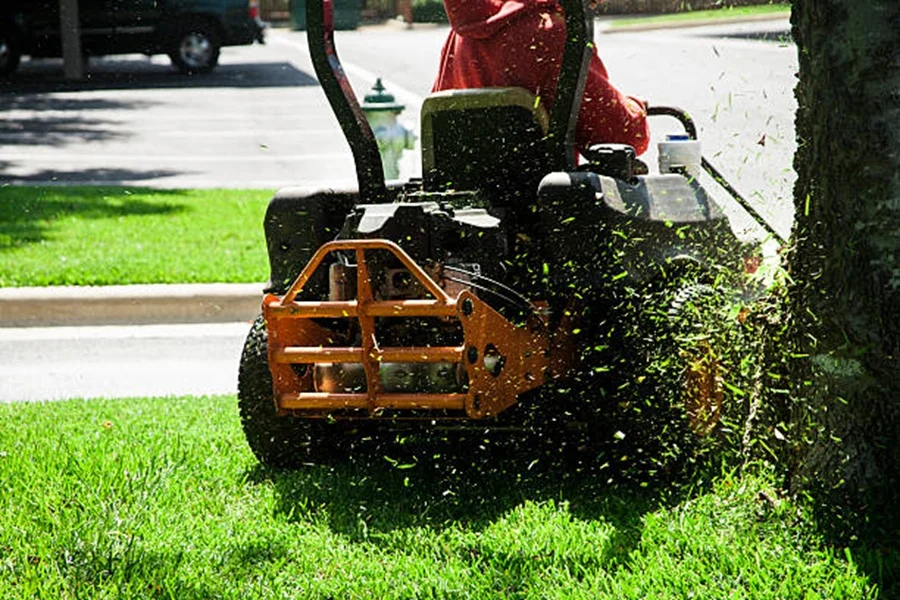
Tips for Using Your Zero Turn Mower on Wet Grass
Mowing wet grass can be challenging, and when using a zero-turn mower, the stakes are even higher due to its unique mechanics and design. If you find yourself needing to mow damp grass, take appropriate precautions to protect your equipment and ensure a clean, even cut. Below are practical tips for safely and effectively mowing wet grass with a zero-turn mower.
Assess the Ground Conditions
Before starting, evaluate whether it’s safe to mow. Wet ground can quickly turn into mud, making it difficult for a zero-turn mower to maintain traction.
– Avoid saturated soil: If the ground is waterlogged or overly muddy, postpone mowing until conditions improve.
– Check for standing water: Puddles or wet patches can cause uneven cuts and may damage your mower blades or deck over time.
Adjust Your Mowing Technique
Zero-turn mowers are agile and efficient but require slight adjustments when mowing wet grass.
– Slow down: Wet blades of grass tend to clump together, so reduce your speed to give the mower more time to process the cuttings without clogging. – Take wider turns: Sharp turns can damage wet turf by causing scalping or skid marks. Maneuver gently to preserve your lawn’s appearance. – Overlap passes slightly: This ensures you don’t miss uneven areas caused by dampness or clumped grass.
Prepare Your Zero Turn Mower
Proper preparation of your mower is essential for optimal performance in damp conditions.
1. Clean the deck beforehand: Grass buildup under the deck will worsen when combined with moisture, leading to clogging. 2. Sharpen the blades: Dull blades tear at wet grass rather than cutting it cleanly, making clumping more likely. 3. Inspect tires: Check tire pressure regularly as uneven tires may exacerbate traction issues on slippery surfaces.
| Maintenance Task | Why It’s Important | Recommended Action |
| Clean mower deck | Reduces clogging and improves airflow | Scrape off debris before each session |
| Sharpen blades | Ensures clean cuts without tearing | Sharpen every few uses if needed |
| Inspect tire pressure | Improves control on slick terrain | Inflate evenly as per manufacturer guidelines |
Manage Grass Clippings
Clippings from wet grass often clump together rather than dispersing evenly across your lawn.
– Use a side-discharge chute if possible, as mulching may lead to excessive buildup under damp conditions. – Consider mowing twice—once with a higher blade height followed by another pass at your preferred cutting level—to avoid overloading the machine.
Safety Precautions
Operating any machinery on wet surfaces comes with risks; keep safety at the forefront of every task:
– Wear non-slip footwear to maintain stability while managing your equipment. – Watch out for slopes or uneven ground where slipping could occur. – Avoid mowing during heavy rain or thunderstorms for operator safety as well as preventing damage.
By following these steps, you’ll minimize complications and achieve the best possible results with your zero-turn mower—even in less-than-perfect weather conditions.
Tips for Using Your Zero Turn Mower on Wet Grass
Operating a zero-turn mower on wet grass requires extra care, as it presents unique challenges that can affect both the quality of your mowing and the longevity of your equipment. Below are practical tips to help you navigate these conditions effectively while maintaining safety and efficiency.
Assess Grass and Ground Conditions
- Grass Height: If the grass is excessively long, consider raising the cutting deck slightly higher than usual. Wet grass tends to be heavier and more likely to clump, so the higher setting can prevent clogging.
- Soil Moisture: Check if the soil feels too soft or muddy. Mowing over overly saturated ground increases the chances of leaving ruts or compacting the soil, potentially damaging your lawn.
- Debris Check: Walk through your yard to clear fallen branches, rocks, or other obstacles that may be hidden under wet grass.
Adjust Your Zero Turn Mower Settings
- Blade Sharpness: Ensure blades are sharp. Dull blades will tear wet grass rather than cut it cleanly, which can lead to uneven results and stress on your machine.
- Cutting Height: Raise the cutting height slightly to reduce strain on the mower and minimize clumping.
- Throttle Speed: Operate at a moderate speed instead of full throttle. Moving too quickly increases the risk of slipping or losing control on slick surfaces.
| Setting | Adjustment for Wet Grass |
| Blade Sharpness | Sharpen before use |
| Cutting Deck Height | Raise by 0.5–1 inch |
| Throttle Speed | Use moderate speed |
Adopt Proper Mowing Techniques
- Mow in straight lines where possible.
- Avoid tight turns that could damage wet turf or cause ruts.
- Overlap slightly with each pass to ensure even coverage without leaving strips of uncut grass.
- Change mowing patterns every session (e.g., diagonal one day and horizontal another) to avoid compacting soil in one direction.
- Use side discharge settings if available, as mulching or bagging may struggle with moisture-heavy clippings.
Keep Safety in Mind
- Avoid Slopes: Wet slopes are slippery; mowing them could cause loss of traction and potential tipping risks.
- Wear Appropriate Footwear: Use non-slip boots for better grip while walking near equipment.
- Monitor Traction Carefully: If you feel traction is lost during operation, stop immediately to avoid further lawn damage or accidents.
Clean Up Post-Mowing
- Remove clumped grass from blades and undercarriage. Accumulated debris can cause rust or hinder future mowing efficiency.
- Wash off dirt using a garden hose but avoid high-pressure sprays directly on bearings or electrical components.
- Allow both your mower and lawn time to dry before undertaking additional maintenance tasks such as sharpening blades again.
By following these practical tips tailored specifically for zero-turn mowers in wet conditions, you’ll protect both your yard’s health and your equipment’s durability even under challenging scenarios like damp weather conditions.
Tips for Using Your Zero Turn Mower on Wet Grass
Operating a zero-turn mower on wet grass can be challenging, but with careful preparation and technique, it is possible to achieve good results while minimizing risks to your lawn and equipment. Below are practical tips to help you navigate wet conditions effectively.
1. Assess the Ground Conditions
- Soil Saturation: If the ground feels overly soft or waterlogged, hold off mowing until it dries out slightly.
- Slope Steepness: Avoid mowing on steep slopes when wet, as reduced traction increases the risk of slipping.
- Puddle Formation: Areas with standing water should be avoided completely.
2. Prepare Your Zero Turn Mower
Taking a few minutes to set up your mower properly can make a big difference when working in damp conditions.
- Inspect Tires: Check tire pressure for optimal traction. Underinflated tires may tear up the grass, while overinflated ones may lose grip on slippery surfaces.
- Sharpen Blades: Wet grass tends to bend rather than stand upright, making sharp blades essential for clean cuts.
- Clean Underside of Deck: Remove any debris or old grass clippings from beneath the deck to prevent clogging.
| Preparation Task | Importance |
| Tire Pressure Check | Enhances grip and prevents slippage |
| Blade Sharpening | Improves cutting precision |
| Deck Cleaning | Reduces clogging for consistent cuts |
3. Adjust Mowing Settings
Fine-tuning your mower’s settings can help reduce strain on both your machine and lawn.
- Raise the cutting height slightly; cutting too low in wet conditions increases stress on grass blades and roots.
- Reduce speed – slower movements improve control and allow more time for even cuts.
- Ensure discharge chutes are clear so clippings can exit without building up underneath.
4. Modify Your Mowing Technique
Your approach while operating the mower has a significant impact on safety and results.
- Avoid sharp turns that could tear turf or create ruts in soggy areas.
- Stick to straight-line patterns where possible, as this minimizes overlapping cuts that could lead to clumping.
- Alternate mowing directions each session; this practice distributes wear more evenly across the lawn.
5. Manage Grass Clippings
- Use a mulching kit if available; this breaks down clippings into finer pieces that decompose faster.
- Rake up large clumps manually after mowing if mulching isn’t an option.
6. Maintain Post-Mowing Care
- Thoroughly clean the mower deck with a hose or scraper tool to prevent buildup of moist debris, which could lead to rust or mold growth over time.
- Inspect belts and blades for wear caused by dampness-related friction.
- Allow time for your lawn’s grass blades to recover from compaction by avoiding foot traffic immediately after mowing.
By following these tips, you’ll safeguard both your equipment and property while achieving satisfactory results even under less-than-perfect conditions.
Tips for Using Your Zero Turn Mower on Wet Grass
Mowing wet grass with a zero-turn mower requires extra care and proper techniques to ensure safety, maintain your equipment, and achieve the best possible results. Wet grass can be slippery, heavy, and difficult to cut cleanly, which is why it’s essential to approach this task with preparation and precision. Below are practical tips for safely and effectively using your zero-turn mower on wet grass.
1. Assess the Conditions Before Starting
- Check the Ground Saturation: If the ground is overly soggy or waterlogged, avoid mowing until conditions improve. Operating a zero-turn mower on extremely soft soil can damage your lawn by creating ruts or compacting the soil.
- Inspect for Slopes: Wet grass can increase the risk of slipping on slopes or inclines. Avoid mowing steep areas when conditions are slick.
- Look at Weather Patterns: If more rain is expected soon, it might be better to wait until dry weather allows for better traction and cutting quality.
2. Prepare Your Mower
- Clean the Deck: Remove any clumped-up grass that could further clog the deck once you start mowing wet turf.
- Sharp Blades Are Essential: Ensure your blades are sharp before mowing wet grass. Dull blades will tear rather than cut cleanly, leading to uneven cuts and potential turf damage.
- Adjust Cutting Height: Raise the blade height slightly to avoid scalping or clogging from heavier wet clippings.
| Preparation Task | Why It Matters |
| Clean under the deck | Prevents buildup of damp clippings |
| Sharpen blades | Ensures clean cuts even on heavy grass |
| Adjust blade height | Reduces strain on the mower |
3. Mow Strategically
- Reduce Speed: Slow down while mowing wet grass to maintain control over slippery areas and reduce strain on your equipment.
- Use Overlapping Passes: Slightly overlap each pass to ensure even cutting without leaving behind uncut patches due to sliding or pushing down damp blades.
- Avoid Sudden Turns: Zero-turn mowers are designed for fast, sharp turns; however, these maneuvers can cause tire slippage or tear up turf on wet ground.
4. Manage Grass Clippings
- Consider mulching attachments that finely chop clippings into smaller pieces so they decompose more easily.
- If mulching isn’t an option, bagging may be necessary—however, empty bags frequently as they fill up faster with heavy moisture-laden debris.
5. Post-Mowing Maintenance
- Inspect undercarriage components like belts and pulleys for trapped moisture that could lead to rust or wear over time.
- Thoroughly clean both blade edges and deck surfaces since sticky residues left from moist grasses harden into persistent buildup if ignored.
By following these tips carefully when mowing wet grass with a zero-turn mower, you’ll safeguard both your equipment’s longevity as well as achieve healthier-looking lawns without unnecessary frustration during challenging weather conditions.
Tips for Using Your Zero Turn Mower on Wet Grass
Mowing wet grass with a zero-turn mower can be challenging, but with the right techniques and strategies, you can achieve effective results without damaging your equipment or lawn. Below are practical tips to help you navigate this task efficiently while minimizing risks.
1. Assess Lawn Conditions Before Starting
- Check for standing water: If there are puddles or overly saturated areas, avoid mowing as it may lead to uneven cutting or damage.
- Examine the grass height: Wet grass tends to bend under the weight of precipitation, so waiting until it is slightly damp rather than sodden will make mowing more manageable.
2. Adjust the Cutting Height
- Set the mower deck higher: Cutting wet grass too low can cause clumping and put unnecessary strain on the mower’s blades.
- Opt for incremental passes: Gradually lower the deck height over multiple sessions if needed, rather than attempting a single deep cut.
| Lawn Condition | Recommended Action |
| Slightly damp | Raise cutting height slightly |
| Very wet | Wait until conditions improve |
3. Use Sharp Blades
- Ensure your mower blades are sharp before tackling wet grass. Dull blades can tear grass instead of cutting cleanly, leading to uneven results and potential lawn stress.
- Regular blade maintenance helps prevent excessive clogging when dealing with moisture-heavy grass.
4. Avoid Sudden Turns and Accelerations
Zero-turn mowers are designed for precision maneuvering, but sudden movements on wet ground can damage your turf or create unsightly ruts. Keep these points in mind: – Make wide, gradual turns to reduce slipping. – Avoid sudden accelerations or braking to maintain traction and protect your lawn from wheel tracks.
5. Clean the Mower Deck Frequently
Wet grass is prone to clumping and sticking under the mower deck, which can reduce efficiency and increase wear on your machine. Consider these cleaning practices: – Pause frequently during mowing sessions to clear out accumulated clippings. – Use a hose or scraper tool to remove debris after completing your task.
6. Reduce Mowing Speed
Operating at a slower speed gives both you and the machine better control over wet terrain: – It minimizes slippage or skidding on damp soil. – Slower speeds ensure that blades have time to handle moist clippings effectively.
7. Prioritize Safety Measures
Working with heavy machinery in less-than-optimal conditions requires special attention to safety: – Wear appropriate footwear with good grip to prevent slipping when mounting/dismounting the mower. – Avoid mowing during heavy rain or lightning storms for personal safety.
By following these tips, you can safely manage mowing tasks even in challenging conditions while maintaining both lawn health and equipment performance.
Tips for Using Your Zero Turn Mower on Wet Grass
Operating a zero-turn mower on wet grass can be challenging. Wet conditions increase the risk of turf damage, reduce mower efficiency, and can even lead to safety concerns. However, with proper techniques and preparation, you can navigate these challenges successfully. Below are tips for safely and effectively using your zero-turn mower on damp grass.
1. Assess the Ground Conditions
Before starting, check if the ground is excessively saturated or muddy. Operating a mower on overly wet soil can:
– Cause ruts in your lawn due to the heavy weight of a zero-turn mower.
– Lead to uneven cutting since the wheels may sink into soft spots.
– Increase the chances of slipping or losing traction.
If large puddles or mud are present, it’s best to wait until conditions improve.
2. Adjust Cutting Height
- Raise the cutting height by at least 0.5–1 inch to ensure a cleaner cut.
- Consider making two passes at different heights if the grass is particularly long or thick.
Keeping blades higher reduces stress on both your equipment and your lawn while enhancing mowing results.
3. Slow Down Mowing Speed
Zero-turn mowers are known for their fast operation, but speed control is essential when mowing wet grass:
– Reduce ground speed to maintain better control over traction and steering.
– Slower speeds allow blades more time to cleanly cut through damp grass rather than tearing it unevenly.
Patience is key here; precision matters more than speed in wet conditions.
4. Clean Blades Frequently
- Stop periodically during mowing sessions to inspect and clear away clumps of stuck grass from under the deck.
- Use a plastic scraper or stiff brush for cleaning instead of metal tools that could damage components.
- Ensure that blades remain sharp—dull blades struggle with damp vegetation.
Proper maintenance prevents clogging while ensuring consistent performance.
5. Avoid Tight Turns on Slopes
Zero-turn mowers excel in maneuverability but have limitations on slippery surfaces:
– Gradually ease into turns rather than making sharp pivots that may tear grass or reduce traction. – Avoid turning quickly on slopes where sliding risks increase under wet conditions.
For added safety, try alternating mowing patterns (such as diagonal lines) instead of restricting movements to tight loops around obstacles like trees or garden beds.
6. Use Proper Tires for Wet Lawns
Tires play a significant role in maintaining traction on slippery surfaces:
| Tire Feature | Benefits | Examples | |———————|———————————-|———————–| | Wider tires | Distribute weight evenly | Turf-friendly tires | | Tread patterns | Improve grip without damaging turf | Chevron designs | | Low-pressure tires | Reduce compaction and sinking | Air-filled options |
Check tire condition regularly and replace worn-out options as needed for optimal performance.
7. Timing Matters
Mow during mid-morning or early afternoon when dew has partially dried but full sunlight hasn’t made grasses brittle (and more prone to tearing). This reduces resistance during cutting while lessening buildup underneath the deck.
By following these recommendations tailored specifically for zero-turn mowers on wet lawns, you’ll ensure you’re working efficiently without compromising lawn health or personal safety factors involved
Tips for Using Your Zero Turn Mower on Wet Grass
Operating a zero turn mower on wet grass can be tricky, as it requires extra care to maintain safety, protect your lawn, and ensure the longevity of your equipment. Below are practical and professional tips to help you navigate this task effectively.
1. Assess the Grass Condition Before Starting
Before using your zero turn mower on wet grass:
– Inspect moisture levels: If the grass is excessively saturated, it’s better to wait until it dries slightly; too much water can lead to clumping or damage to both the lawn and the mower.
– Check for standing water: Avoid areas where water has pooled, as this can bog down your mower or cause tire ruts in the soil.
2. Adjust the Cutting Height
Mowing wet grass typically requires a higher cutting height than usual because damp blades of grass are heavier and do not stand upright easily.
– Raise your mower deck slightly to avoid scalping or tearing the grass.
– Trimming less during a single pass ensures you prevent stress on both your lawn and equipment.
3. Use Sharp Blades
Using sharp blades is essential when mowing any type of grass but becomes even more critical when dealing with wet conditions:
– Blunt blades can tear through wet grass rather than delivering clean cuts, which increases damage to the lawn and leaves rough edges that are susceptible to disease.
– Inspect and sharpen blades regularly before mowing in challenging conditions like dampness.
4. Manage Speed Carefully
Zero turn mowers are known for their speed and agility; however, these features should be used cautiously when operating on wet surfaces:
– Reduce speed to maintain steady control over slippery patches of ground. – Sudden turns or abrupt stops should be avoided as they may damage delicate turf or cause loss of traction.
5. Prevent Clumping in Wet Conditions
Wet grass often clumps together under a mower deck, leading to uneven cuts or clogging that may impact performance over time:
Solutions include: – Emptying collection bags frequently if using them. – Opting for side-discharge instead of mulching functions under unusually moist scenarios.
| Issue | Solution | Notes |
| Clumped Grass | Use side discharge | Less likely than bagging/mulching |
| Clogged Deck | Clean deck mid-operation | Moist debris builds up quickly |
6: Protect Your Lawn From Damage
The weight distribution combined with tight turns unique-to-zero-turn models could cause ruts/worn area especially-against-damp-soil vulnerablility – limit routine minimize-rebound effects.