Ready To Upgrade? Lawn Tractors vs. Zero Turn Mowers
When the time comes to upgrade your mowing equipment, choosing between a lawn tractor and a zero-turn mower can feel overwhelming. Both options have their own set of advantages, catering to different needs in lawn care. Understanding these differences is key to making the right investment for your yard or property.
Lawn Tractors: A Classic Choice
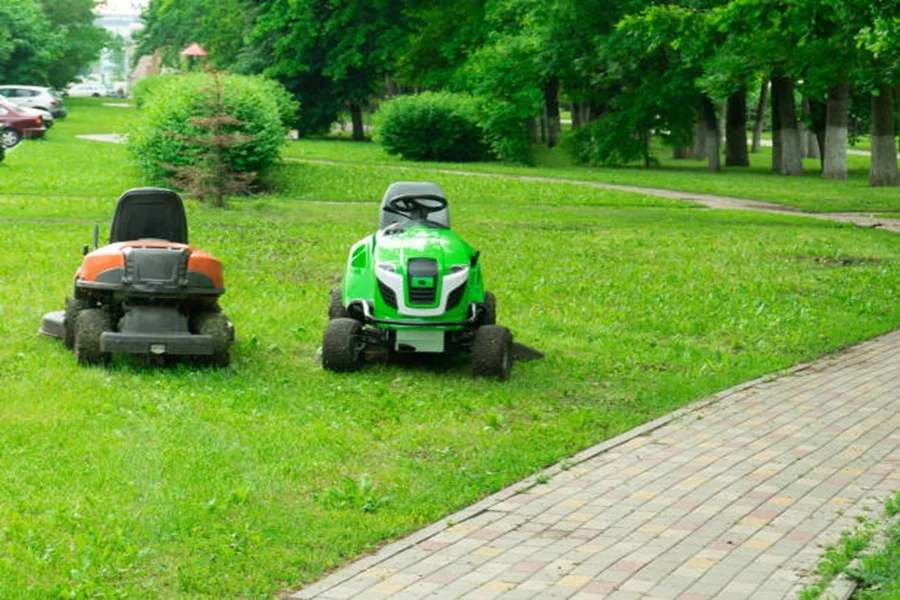
Lawn tractors have been a staple in residential landscaping for decades, offering versatility and reliability. Designed with a traditional steering wheel and front-mounted engine, they are well-suited for straightforward tasks like mowing large, even lawns or towing small garden attachments.
Key Features of Lawn Tractors: – Versatile use: Can tow carts, dethatchers, and spreaders in addition to mowing. – Ease of operation: The steering wheel design feels familiar and intuitive for most users. – Affordable options: Generally less expensive than zero-turn mowers. – Durability: Built to last when maintained properly.
Best For: – Properties with simple layouts free of obstacles or tight turns. – Homeowners looking for an all-purpose machine.
Zero-Turn Mowers: Precision and Speed
Zero-turn mowers are built for efficiency. With their unique rear-wheel steering system and dual-lever controls, these machines are designed to navigate tight spaces with ease while delivering an exceptional cut quality. They’re often preferred by professionals or property owners with complex landscapes.
Key Features of Zero-Turn Mowers: – Exceptional maneuverability: Turn on a dime for precise movement around trees, flower beds, and other obstacles. – Faster operation: Cover more ground in less time compared to traditional tractors. – Professional-grade cut: Delivers a clean finish even on uneven terrain. – Comfort upgrades available: Many models include suspension seats or ergonomic designs.
Best For: – Larger properties with intricate landscaping or numerous obstacles. – Those prioritizing speed and precision over towing capabilities.
Side-by-Side Comparison Table
| Feature | Lawn Tractor | Zero-Turn Mower |
| Maneuverability | Moderate | Exceptional |
| Speed | Average | Fast |
| Ease of Use | Intuitive (steering wheel) | Takes practice (dual levers) |
| Versatility | Multi-functional (towing ability) | Limited |
| Cost | Typically more affordable | Higher initial investment |
Choosing What’s Right For You
The decision between a lawn tractor and zero-turn mower ultimately depends on the size of your property, its layout, and how you plan to use the machine. If you’re seeking an all-around workhorse that handles basic yard tasks beyond cutting grass—like hauling tools or spreading materials—a lawn tractor may be ideal. On the other hand, if your goal is achieving a flawless cut while saving time on maintenance-heavy landscapes filled with flower beds or winding paths, investing in a zero-turn mower could be worth it.
By understanding these differences clearly upfront, you’re better equipped to select the mower that will match both your needs and budget—ensuring years of efficient lawn care ahead.
MANEUVERABILITY
When considering a lawn tractor versus a zero-turn mower, maneuverability is often one of the most decisive factors. The ability to navigate tight spaces, sharp corners, and intricate landscaping is crucial for achieving an efficient and polished mowing experience. Below, we’ll explore how each machine performs in terms of maneuverability and what kinds of lawns benefit most from their respective strengths.
Lawn Tractors: Straightforward but Limited
- Flower beds
- Trees or shrubs
- Hardscaping features (e.g., patios or fountains)
A typical turning radius on a lawn tractor is larger compared to zero-turn mowers, ranging between 16 to 28 inches depending on the model. This limitation can result in missed patches of grass near corners or obstacles, requiring additional trimming with handheld tools.
Zero-Turn Mowers: Precision at Its Best
- Tight turning radius eliminates uncut areas during turns.
- Enhanced precision around obstacles like trees or garden edges.
- Faster direction changes reduce time spent repositioning.
This makes zero-turn mowers particularly well-suited for lawns with complex layouts or numerous barriers. However, mastering the dual-lever control system may require a bit of practice for first-time users.
Side-by-Side Comparison Table: Maneuverability
| Feature | Lawn Tractor | Zero-Turn Mower |
| Turning Radius | 16–28 inches | Zero (pivots in place) |
| Ease Around Obstacles | Moderate | Excellent |
| Learning Curve | Low | Moderate |
| Ideal Use Case | Open areas | Complex landscapes |
Practical Considerations
- Terrain: If your property has steep slopes or uneven terrain, a lawn tractor’s stability may be more advantageous than a zero-turn mower’s agility.
- Operator Skill: Those new to mowing may find it easier to adapt to the straightforward controls of a lawn tractor before transitioning to a zero-turn mower.
- Yard Size: Homeowners with sprawling lawns lacking detailed landscaping might not fully benefit from the advanced maneuverability offered by zero-turn models.
Ultimately, selecting between these machines depends heavily on your yard’s layout and your comfort level with operating different types of equipment.
MANEUVERABILITY
When it comes to maneuverability, lawn tractors and zero-turn mowers offer vastly different experiences. Understanding these differences is crucial when deciding which type of mower is best suited for your needs, particularly if you have a lawn with obstacles, tight spaces, or unique landscaping features.
How Lawn Tractors Handle
Lawn tractors are designed for straightforward mowing and excel in open spaces with minimal obstacles. Their steering system operates similarly to a traditional car, using a wheel to turn the front wheels. This setup allows for stable control but limits their ability to navigate tight corners or make precise turns.
Key features of lawn tractor maneuverability: – Turning Radius: Larger turning radius (usually between 16-30 inches), making it less capable of handling narrow paths. – Ease of Use: Familiar steering design makes it user-friendly for beginners. – Challenges: Struggles with intricate landscaping, such as flower beds or trees positioned close together.
The Zero-Turn Advantage
Zero-turn mowers are engineered specifically for agility and precision. As the name suggests, they have a near-zero turning radius, allowing them to pivot on the spot. This is made possible by their dual hydrostatic transmissions that independently control each rear wheel via levers rather than a traditional steering wheel.
Advantages of zero-turn mower maneuverability: – Tight Spaces: Perfect for properties with complex layouts and numerous obstacles. – Turning Capability: Can rotate 180 degrees at the end of a mowing row without leaving uncut grass behind. – Efficiency Enhancements: Faster navigation around trees, shrubs, fences, and garden beds means less time spent trimming edges manually.
| Feature | Lawn Tractor | Zero-Turn Mower |
| Turning Radius | Larger (16”-30”) | Near-zero |
| Best For | Open lawns | Complex landscapes |
| Control Mechanism | Steering wheel | Levers |
| Handling Obstacles | Difficult | Excellent |
Which Is Right For You?
Your choice will depend heavily on your yard’s layout: 1. For Simple Lawns Without Obstacles: A lawn tractor may suffice due to its straightforward handling. 2. For Intricate Landscaping or Tight Areas: A zero-turn mower will save time and produce cleaner results without requiring additional trimming or detailed attention.
Finally, consider your level of comfort with operating each type of mower. While lawn tractors may feel more intuitive for some due to their similarity to driving cars, zero-turn mowers often come with a slight learning curve but deliver exceptional precision once mastered.
Better Cut: How Lawn Tractors and Zero Turn Mowers Compare
Achieving a pristine, professional-quality lawn is one of the main reasons homeowners invest in mowing equipment. When it comes to cutting performance, lawn tractors and zero turn mowers each offer unique advantages depending on your needs. Below is a detailed comparison to help you assess which option delivers the “better cut” for your yard.
Key Factors That Impact Cutting Quality
- Blade Design: The type and sharpness of mower blades play a critical role in ensuring an even cut without tearing or damaging the grass.
- Deck Size: A larger deck size can cover more ground in one pass but may struggle with tight corners or uneven terrain.
- Grass Height Adjustment: Flexibility to adjust cutting height allows for customization based on lawn conditions and grass type.
- Maneuverability: The ability to navigate around obstacles like trees, flower beds, and fences directly impacts how precise your mowing can be.
Advantages of Zero Turn Mowers for Cutting Precision
- Superior Maneuverability: The zero-radius turning capability allows you to mow around obstacles with ease—this reduces missed spots and overlapping passes.
- Faster Blade Speed: Most zero turn models operate with high blade tip speeds, resulting in cleaner cuts that promote healthier grass growth.
- Many zero turn mowers feature floating decks that adjust dynamically to the contours of your yard. This ensures consistent results even on uneven terrain.
- Commercial-grade options often include reinforced decks for heavy-duty performance.
Benefits of Lawn Tractors for Quality Cuts
- Stability on Slopes: Lawn tractors tend to perform better on hilly or sloped terrain due to their balanced design and lower center of gravity.
- Available in various sizes, lawn tractor decks are ideal for properties with expansive areas where straight-line mowing is required.
- Adjustable height settings enable users to cater to different grass types or seasonal conditions.
| Feature | Zero Turn Mower | Lawn Tractor |
| Maneuverability | Excellent; ideal for tight spaces | Moderate; better suited for open areas |
| Blade Speed | High; produces clean cuts | Average; sufficient for most residential lawns |
| Terrain Handling | Challenging on slopes | More stable on uneven or sloped ground |
| Consistency | Floating deck ensures smooth results | May struggle slightly on uneven terrain |
Practical Tips for Enhancing Cutting Results
- Dull blades tear grass instead of cutting it cleanly, which can leave your lawn looking patchy and increase susceptibility to disease.
- Uneven tire pressure affects deck leveling, leading to an inconsistent cut.
- Avoid cutting more than one-third of the grass blade length in a single session—this promotes healthier regrowth.
- Grass clippings and debris buildup can block airflow and reduce overall performance.
By understanding the strengths of both machines and keeping up with regular maintenance routines, you’ll ensure that your mower delivers exceptional results every time you tackle your yardwork.
Comfort
When it comes to mowing large lawns or expansive properties, comfort is a critical factor to consider. Spending hours maintaining your outdoor spaces can be physically demanding, making the ergonomics and overall design of your mower an essential aspect of the decision-making process. Both lawn tractors and zero-turn mowers offer distinct features that influence comfort levels.
Ergonomic Features
- Most models come equipped with padded seats, though they may lack advanced suspension systems.
- Controls are typically straightforward but may require more physical effort due to manual steering mechanisms.
- The upright seating position works well for extended use but may cause fatigue over long periods.
- These mowers emphasize user comfort with plush, adjustable seats designed for long mowing sessions.
- Many high-end models include features like armrests, lumbar support, and vibration-dampening technology to reduce operator fatigue.
- Hydrostatic steering ensures smoother control with less physical exertion compared to traditional steering wheels on lawn tractors.
| Feature | Lawn Tractor | Zero-Turn Mower |
| Seat Design | Padded; basic | Adjustable; ergonomic |
| Suspension | Minimal | Advanced options available |
| Steering Effort | Higher (manual steering) | Lower (hydrostatic controls) |
| Operator Fatigue | Moderate | Reduced |
Impact of Design on Mowing Experience
- Lawn Tractors tend to have a higher center of gravity and rely on standard tires that can transmit vibrations from uneven terrain directly to the operator, potentially causing discomfort during prolonged use. This is especially noticeable if your yard has slopes or bumps.
- Zero-Turn Mowers, in contrast, feature a lower center of gravity that enhances stability and results in fewer jolts while mowing uneven ground. Additionally, their intuitive lap-bar controls reduce repetitive wrist motion compared to conventional steering wheels.
Accessibility Features
Zero-turn mowers often cater more effectively to operators who prioritize ease of use:
– Wide platforms for mounting and dismounting without strain.
– All controls within easy reach for faster adjustments during operation.
While lawn tractors are generally simpler in terms of design, they may lack these accessibility enhancements.
Considerations for Long Sessions
If you’re planning on tackling large areas in one sitting:
– Look for models with high-back seats, regardless of mower type, as they provide better spinal support.
– Consider machines with cup holders or under-seat storage compartments for convenience during extended tasks—features more commonly seen on zero-turn mowers.
Ultimately, comfort is subjective and highly dependent on personal preferences as well as the size and terrain of your property. Evaluating test drives or reading reviews can also help identify which type aligns best with your needs when comfort remains a top priority in choosing between a lawn tractor and a zero-turn mower.
DURABILITY
When investing in a lawn care machine, durability is one of the most critical factors to consider. A durable mower not only saves you money in the long term but also minimizes frustration by ensuring reliability season after season. Both lawn tractors and zero-turn mowers come with unique design features and considerations that directly impact their longevity. Below, we’ll examine their durability in detail.
Build Quality and Materials
- Lawn Tractors: Generally, lawn tractors are built with heavy-duty steel frames and robust components designed for residential use. However, they may feature fewer high-performance materials compared to commercial-grade machines. This makes them suitable for light-to-moderate workloads like mowing typical suburban lawns.
- Zero-Turn Mowers: Zero-turn mowers often utilize higher-quality materials due to their association with both residential and commercial applications. Many models include reinforced decks, heavy-gauge steel frames, and higher-grade components designed to withstand frequent use on larger properties or tougher terrain.
Engine Longevity
- Lawn tractors typically have single-cylinder engines for lighter jobs or twin-cylinder engines when slightly more power is needed. While reliable under normal conditions, they may need consistent maintenance if used frequently on challenging terrain.
- Zero-turn mowers frequently boast advanced engines (often twin-cylinder or even commercial-grade models). These engines are engineered for extended operation times and heavy workloads, making them more durable over long periods.
| Feature | Lawn Tractor | Zero-Turn Mower |
| Frame Durability | Sturdy but less reinforced | Heavy-duty construction |
| Engine Durability | Moderate | High |
| Deck Strength | Standard gauge steel | Reinforced steel |
Wear-and-Tear Considerations
While both machines can last a decade or longer with proper upkeep, zero-turn mowers tend to better handle wear-and-tear due to their reinforced components and ability to manage demanding environments like uneven terrain or larger properties with obstacles.
- Lawn Tractors: Vulnerable to frame stress when used on hilly or rough areas over time.
- Zero-Turn Mowers: More resistant to damage caused by continuous turns or slopes due to a sturdier frame design.
Maintenance Requirements
Durability also depends heavily on maintenance routines: – For Lawn Tractors: – Frequent oil changes are critical. – Blade sharpening should be done regularly. – Tires may require occasional replacement if used on uneven ground.
- Hydraulic system maintenance is necessary (unique to zero-turns with hydrostatic drives).
- Proper lubrication of moving parts ensures smooth performance.
- Regularly inspect belts and pulleys for wear.
Which Machine Lasts Longer?
If durability ranks high on your priority list: – For average-sized lawns with lighter workloads, a lawn tractor will perform adequately for years if well-maintained. – For larger properties, professional landscaping tasks, or rough terrains requiring frequent cutting sessions, a zero-turn mower is better equipped for durability over time due to its advanced build quality and stronger components.
Ultimately, your choice should align with how much strain the machine will endure during regular use.
DURABILITY
When investing in a lawn care machine, durability is a key factor to consider. Both lawn tractors and zero-turn mowers are significant purchases, and understanding which option offers greater longevity can help you make an informed decision. Let’s break down how these machines compare in terms of build quality, maintenance requirements, and long-term performance.
Build Quality and Materials
- Lawn Tractors: Generally built with heavy-duty steel frames, lawn tractors are designed to handle a variety of tasks beyond mowing, such as towing attachments or light hauling. However, their additional parts (such as transmission systems) may introduce more wear points over time.
- Zero-Turn Mowers: Zero-turn mowers often feature robust construction with reinforced decks and heavy-gauge steel for added durability. Since they are optimized specifically for mowing lawns rather than multitasking, their design reduces the number of components prone to breakdown.
| Feature | Lawn Tractors | Zero-Turn Mowers |
| Frame Material | Steel (varies by brand) | Heavy-duty steel or alloy |
| Primary Purpose | Multipurpose (mowing + towing) | Precision-focused mowing |
| Complexity | More moving parts | Streamlined components |
Maintenance Requirements
- Require regular oil changes and periodic inspection of belts and pulleys.
- Because they’re versatile machines, extra attachments can result in additional maintenance needs.
- Tires may wear out quicker if used frequently for towing or on rugged terrain.
- Maintenance is often simpler because these mowers have fewer multi-functional features.
- Their hydrostatic transmissions generally require less upkeep but should still be checked periodically for optimal performance.
- Decks on zero-turns tend to last longer due to reinforced construction designed for frequent use.
Performance Over Time
Durability isn’t just about materials; it’s also about how well the machine holds up under consistent use.
- Lawn tractors are ideal for homeowners with diverse needs but may show signs of strain after prolonged heavy-duty work like hauling.
- Zero-turn mowers excel in maintaining cutting precision over time due to their specialized design. This makes them particularly suitable for larger properties that demand frequent mowing.
Tips to Extend Durability
No matter which mower you choose, taking proper care will extend its lifespan: 1. Store your mower indoors or under a weatherproof cover when not in use. 2. Sharpen blades regularly to reduce strain on the engine and improve cutting efficiency. 3. Check tire pressure frequently to ensure smooth operation. 4. Inspect belts and replace them promptly if worn out. 5. Use fuel stabilizers during storage periods to prevent engine issues.
By focusing on durability during your purchasing decision—and committing to proper maintenance—you’ll ensure that your mower stands the test of time while delivering consistent results year after year.